




The FIFA World Cup Economy: More Than Just Football
The FIFA World Cup is far more than the world's most prestigious football tournament; it is one of the largest economic and commercial events on the planet. Every four years, the competition generates billions of dollars in economic activity through broadcasting rights, sponsorships, tourism, infrastructure investment, merchandising, and digital engagement, making it a significant driver of both national and global economic growth.
Broadcasting rights remain the tournament's largest revenue source, attracting global audiences that exceed five billion cumulative viewers across television and digital platforms. Multinational brands invest heavily in sponsorships to reach these audiences, while host nations benefit from increased international visibility, foreign direct investment, and enhanced global branding. The World Cup also stimulates industries such as hospitality, aviation, transportation, retail, construction, and information technology.
Beyond direct revenues, the tournament creates substantial employment opportunities. Preparations require large-scale investments in stadiums, transportation networks, hotels, telecommunications, and urban infrastructure, generating thousands of jobs before, during, and after the event. Small and medium-sized enterprises (SMEs) also benefit from increased demand for tourism services, food and beverage, logistics, security, entertainment, and local products.
In recent years, digital transformation has significantly expanded the economic impact of the World Cup. Artificial intelligence, data analytics, cloud technologies, digital ticketing, streaming platforms, cybersecurity, and fan engagement applications have become integral components of event management. These innovations not only improve operational efficiency but also create new commercial opportunities for technology companies and digital service providers.
However, the long-term economic success of hosting the World Cup depends on strategic planning beyond the final match. Countries that integrate tournament investments into broader national development strategies are more likely to achieve lasting benefits through tourism growth, urban regeneration, international business attraction, and improved public infrastructure. Conversely, inadequate post-event planning can result in underutilized facilities and financial burdens.
Looking ahead, the World Cup economy is expected to become increasingly interconnected with sustainability, smart-city development, digital innovation, and international business collaboration. As one of the world's largest sporting events, the FIFA World Cup demonstrates that sport is no longer merely a cultural phenomenon—it has evolved into a powerful economic ecosystem capable of driving investment, innovation, employment, and sustainable development on a global scale.
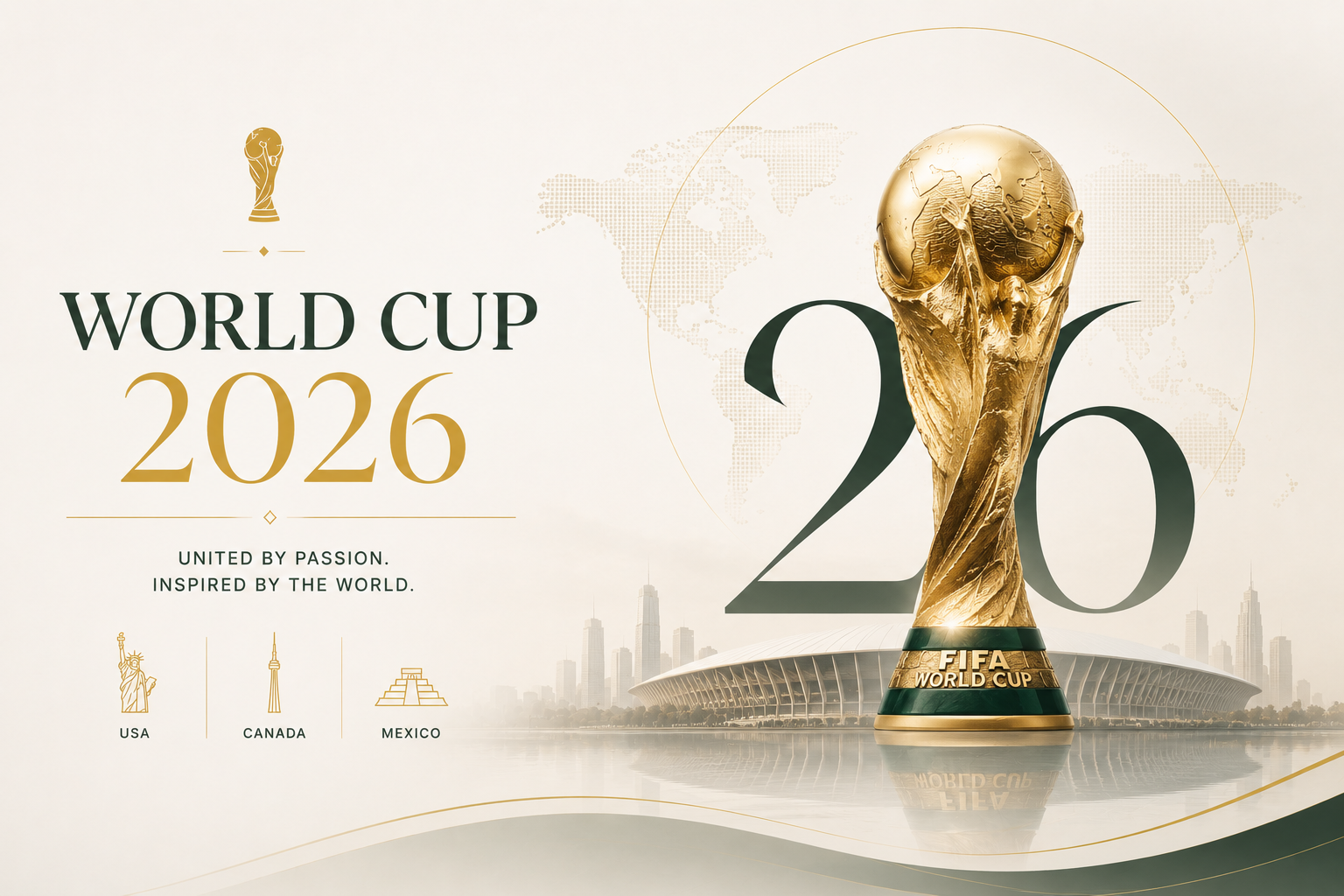
Behind the excitement of the FIFA World Cup lies one of the world's largest economic ecosystems. From broadcasting and sponsorships to tourism, technology, infrastructure, and global investment, the tournament demonstrates how sport has become a powerful engine for economic growth, innovation, and international business development.
Font Size
1x
Reading time: 2 min