




The Culture You Ignore Today Will Become the Barrier You Face Tomorrow
For decades, businesses believed that success in international markets depended primarily on product quality, competitive pricing, and efficient logistics. Today, however, one of the most underestimated factors in global business is cultural intelligence. Companies rarely fail because they lack a good product; they often fail because they misunderstand the people they are trying to do business with.
Business culture extends far beyond language, etiquette, or dining customs. It shapes how people negotiate, build trust, interpret contracts, manage time, exercise leadership, resolve conflicts, and define success itself. In many cultures, relationships precede business. In others, efficiency takes priority over personal connection. Some executives expect direct communication, while others consider indirect dialogue a sign of respect and professionalism. A strategy that creates trust in one country may unintentionally damage credibility in another.
As globalization accelerates and artificial intelligence reduces barriers to information, culture is becoming the last true competitive advantage. AI can translate languages, analyze markets, and recommend strategies, but it cannot fully understand the subtle human values, historical experiences, and social norms that influence business decisions. Algorithms recognize patterns; people interpret meaning.
The greatest challenge for global leaders is no longer entering foreign markets—it is earning the trust of foreign partners. Trust is built differently in every society, and organizations that ignore cultural dynamics often discover that the cost of misunderstanding is far greater than the cost of market research.
The future of international commerce will belong not only to companies with the best technology or the largest investments, but also to those that develop Cultural Intelligence (CQ) as a core leadership capability. In a world where products are increasingly similar and technology is widely accessible, understanding people may become the most valuable business skill of all.
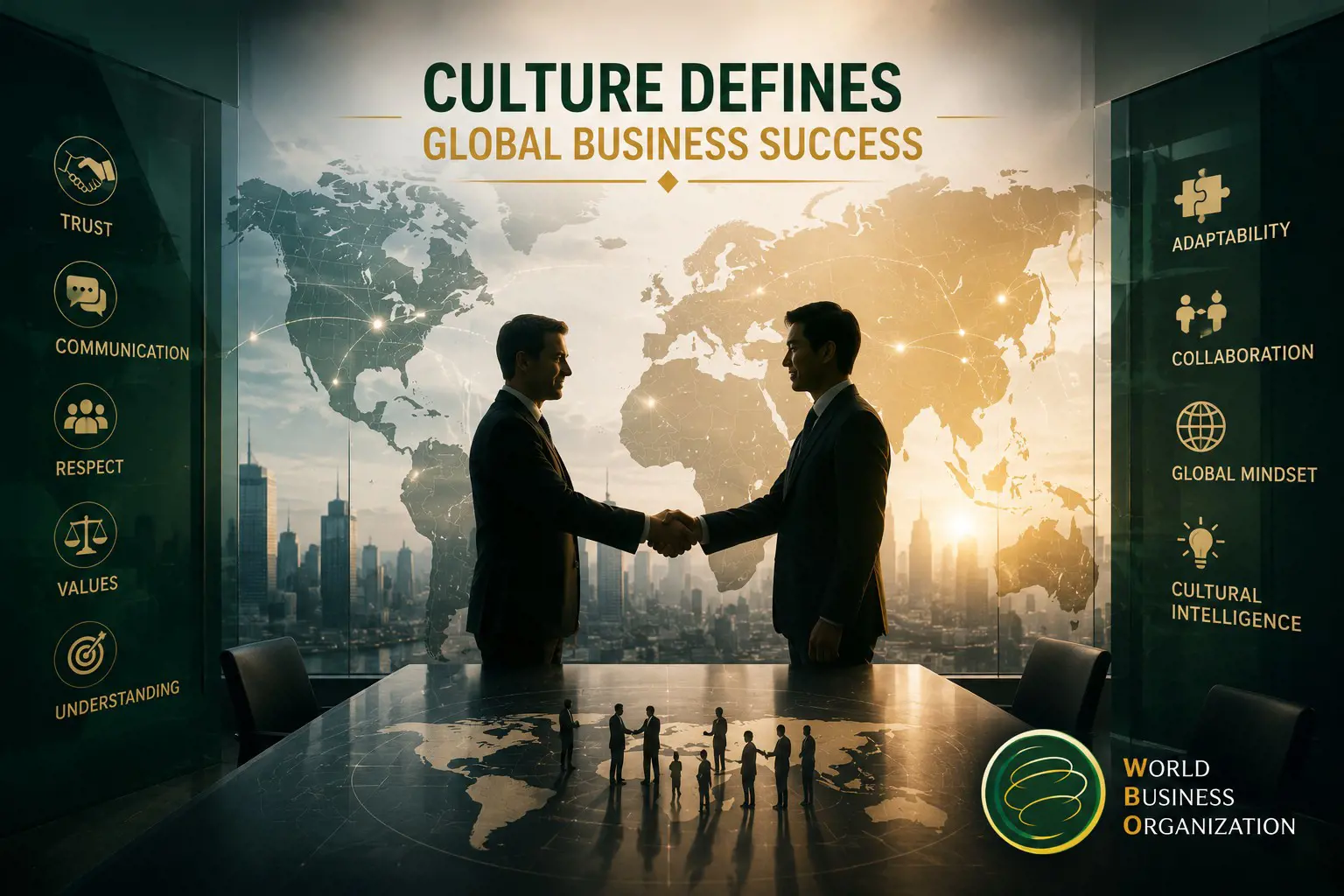
In today's interconnected economy, understanding cultural differences is no longer a soft skill—it is a strategic business advantage. This article explores how cultural intelligence (CQ) shapes trust, negotiations, and international partnerships, making it one of the most critical drivers of global business success.
Font Size
1x
Reading time: 2 min