




Rethinking Economic Indicators for a Changing World
For more than half a century, policymakers, investors, and international institutions have relied on indicators such as Gross Domestic Product (GDP), inflation, unemployment, and trade balances to evaluate economic performance. While these measures remain important, they were designed for a world that was more industrial, less interconnected, and significantly less digital than today's global economy. As the structure of economic power changes, the way we measure economic success must also evolve.
Modern economies are increasingly driven by intangible assets such as data, artificial intelligence, intellectual property, digital infrastructure, and innovation ecosystems. At the same time, geopolitical competition, climate risks, cybersecurity, supply chain resilience, and technological sovereignty are becoming major determinants of national competitiveness. Yet most traditional economic indicators fail to adequately capture these strategic dimensions.
A country may report strong GDP growth while remaining dangerously dependent on foreign technology, imported critical minerals, or vulnerable global supply chains. Likewise, an economy may appear stable according to conventional statistics but possess weak institutional resilience, declining innovation capacity, or limited digital competitiveness. These hidden vulnerabilities often become visible only during geopolitical crises or global disruptions.
The emerging global economy therefore requires a broader framework for measuring national performance. Future economic assessment should incorporate indicators such as economic resilience, supply chain security, digital readiness, AI adoption, innovation capacity, energy security, institutional trust, human capital quality, cyber resilience, and cultural intelligence. Together, these metrics provide a more realistic picture of long-term economic strength than traditional financial statistics alone.
Artificial intelligence is also transforming economic measurement itself. Real-time data, satellite imagery, digital transactions, logistics flows, and predictive analytics now enable governments and international organizations to monitor economic activity with unprecedented speed and precision. Static annual reports are gradually giving way to dynamic, continuously updated intelligence systems.
The next generation of economic leadership will belong to countries that measure what truly creates resilience and competitiveness rather than relying exclusively on legacy indicators. In an era defined by technological disruption and geopolitical uncertainty, the most valuable economic statistics will no longer describe the past—they will help societies anticipate the future.
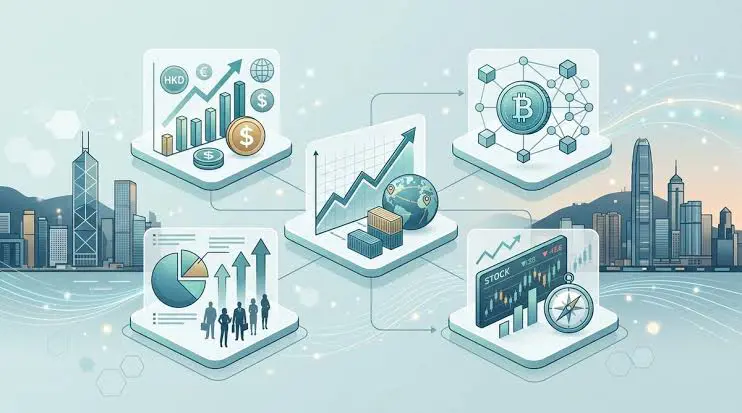
Traditional economic indicators were designed for a different era. As technology, geopolitics, and global trade reshape the world economy, this article explores why governments and businesses must adopt new metrics that better reflect resilience, innovation, digital competitiveness, and long-term strategic strength.
Font Size
1x
Reading time: 2 min