




When Confidence Becomes a Business Risk
Confidence is one of the most valued characteristics in business leadership. Managers are expected to make decisions under uncertainty, communicate conviction, negotiate effectively, and persuade others to support their vision. Without a certain level of confidence, organizations can struggle to act. Yet the same psychological quality that enables decisive leadership can become a source of risk when confidence exceeds the quality of the information supporting it.
This phenomenon is often associated with overconfidence: the tendency to overestimate the accuracy of one’s judgments, abilities, or predictions. In business environments, overconfidence can affect everything from investment decisions and market expansion to hiring, negotiations, and product development.
One reason confidence can become particularly dangerous after success is the reinforcement effect. Previous achievements provide evidence that a leader’s decisions can work. However, success does not necessarily mean that every decision was correct or that the same strategy will remain effective under different conditions. When past success becomes a psychological reference point, managers may begin to underestimate changing market conditions or dismiss information that contradicts their expectations.
Confidence can also influence how organizations perceive risk. A highly confident decision-maker may interpret uncertainty as a temporary obstacle rather than a meaningful warning. This can lead to larger commitments, shorter evaluation periods, or insufficient contingency planning. The problem is not necessarily confidence itself, but the possibility that confidence changes the way contradictory evidence is processed.
Another important factor is the confidence of the surrounding organization. When senior executives communicate with strong certainty, employees may become less willing to challenge assumptions or present negative information. Over time, this can create an environment in which agreement is mistaken for evidence and silence is mistaken for support.
The solution is not to eliminate confidence from leadership. Excessive caution can be equally problematic. Instead, organizations can separate confidence in action from certainty about outcomes. A leader can be highly confident in the decision-making process while remaining aware that the outcome is uncertain.
Effective business confidence therefore includes the ability to say, “I believe this is the right decision, but I may be wrong.” This is not weakness. It is a form of psychological discipline that keeps confidence connected to evidence.
In complex markets, the most valuable form of confidence may not be confidence that one is always right, but confidence in the ability to recognize when the evidence requires a change of direction.
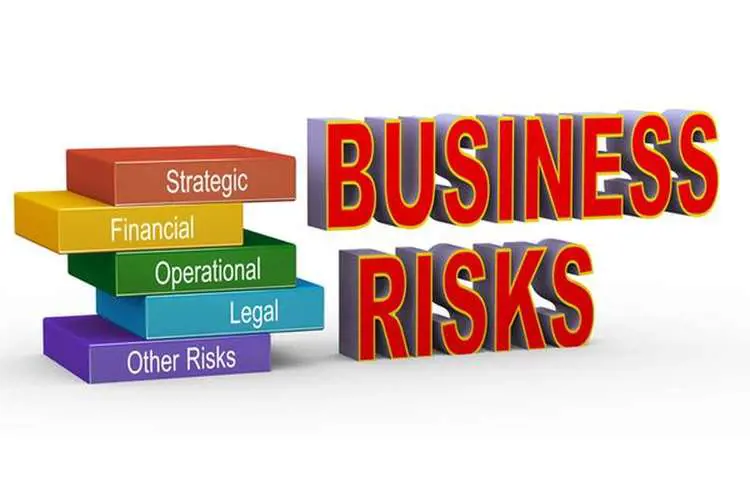
Confidence is essential for leadership, negotiation, and entrepreneurship—but excessive confidence can distort how risks and opportunities are perceived.
Successful managers may become particularly vulnerable when previous achievements reinforce their belief in their own judgment.
This article explores when confidence stops supporting decision-making and begins to undermine it.
Font Size
1x
Reading time: 2 min