



New U.S. Trade Policies: A New Test for the Global Economy and the Future of International Commerce
October 18, 2026 | Economic and Trade Analysis
Global Trade Reshaped by Washington’s New Policies
The global economy is entering a new phase of commercial realignment, in which tariffs, trade restrictions, industrial competition, and geopolitical considerations are increasingly influencing the economic decisions of governments and private enterprises. The policies of the administration of U.S. President Donald Trump, particularly the expansion of import tariffs and the use of trade instruments to pursue economic and strategic objectives, have become significant factors shaping the outlook for international commerce.
On July 24, 2026, the U.S. administration announced new tariffs of 10% and 12.5% on imports from 60 trading partners. The move followed the U.S. Supreme Court’s February decision to invalidate a substantial portion of the earlier reciprocal tariffs imposed under emergency powers. Washington subsequently moved toward alternative legal mechanisms to restructure its tariff framework. Legal questions concerning the validity of certain measures remain under consideration.
Consequences Beyond U.S. Borders
The effects of these policies extend well beyond bilateral trade relations. Higher import costs can influence consumer prices, place pressure on manufacturers’ profit margins, and reshape corporate investment decisions. Internationally, the possibility of retaliatory measures, changes in export destinations, the relocation of production facilities, and the renegotiation of supply contracts introduces additional uncertainty into global markets.
According to an October 9, 2026, report by the United Nations Conference on Trade and Development (UNCTAD), global economic growth is projected at approximately 2.6% for 2026, while trade between the United States and China has declined by more than 20% compared with 2024. These developments illustrate how policy uncertainty, geopolitical tensions, and technological barriers can significantly reshape the structure of global markets.
The World Business Organization’s Strategic Response
Under these circumstances, the World Business Organization (WBO) can pursue a practical approach focused on protecting the long-term interests of the private sector, reducing business vulnerabilities, and strengthening international economic cooperation.
First, expanding international business networks and facilitating access to alternative markets can help enterprises reduce excessive dependence on a single market or trade route. Second, developing mechanisms for exchanging information on tariff changes, import regulations, and supply-chain risks can enable businesses to make better-informed decisions. Third, convening interactive dialogue platforms involving private-sector representatives, trade specialists, and economic policymakers can support the development of coordinated responses to emerging commercial challenges.
These measures should be accompanied by greater attention to market diversification, regulatory transparency, and the development of practical tools that enable businesses to assess and manage cross-border risks.
From Crisis Management to Renewed Economic Cooperation
The WBO’s operational approach should be grounded in a fundamental principle: changes in the trade policies of major economies should not necessarily result in the suspension of economic cooperation among other countries. Market diversification, stronger regional trade relationships, transparent contractual arrangements, and predictable commercial regulations are essential instruments for maintaining business resilience.
By advancing these priorities, the World Business Organization can strengthen its role as a facilitator of cross-border cooperation. The objective is not to confront the policies of any individual country, but to reduce the costs of uncertainty, protect the legitimate interests of private enterprises, and contribute to a more adaptable, transparent, and sustainable international trading system.
In an increasingly interconnected global economy, effective cooperation between businesses, institutions, and markets is not merely an advantage; it is an essential component of long-term economic resilience.
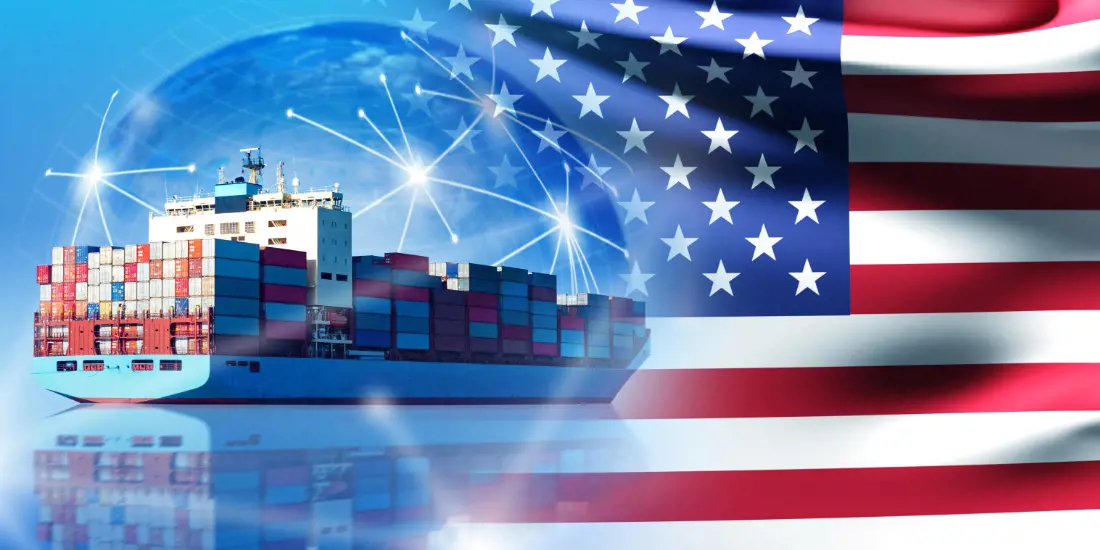
U.S. tariff policies and evolving trade restrictions are reshaping global markets, increasing economic uncertainty, and transforming international supply chains. This report examines the implications for global commerce and outlines how the World Business Organization (WBO) can help businesses strengthen international cooperation, diversify markets, and manage emerging trade risks.
Font Size
1x
Reading time: 3 min