



Global Economy Faces Renewed Inflation Risks
Central Banks Face a Difficult Balancing Act
The global economy is entering another period of uncertainty as major central banks struggle to balance inflation control with the need to sustain economic growth. Persistent inflationary pressures, geopolitical instability, and fluctuations in energy markets are complicating monetary policy decisions.
Maintaining high interest rates can help control inflation, but it also increases borrowing costs, limits private investment, and places additional pressure on businesses. Conversely, monetary easing may stimulate economic activity while creating new inflationary risks.
This situation demonstrates that traditional monetary instruments alone may not be sufficient to address the structural vulnerabilities of an increasingly interconnected global economy.
Energy Markets and Supply Chains Under Pressure
Geopolitical tensions and uncertainty in global energy markets continue to influence production costs, transportation expenses, insurance premiums, and international trade flows. Economies heavily dependent on imported energy are particularly exposed to these disruptions.
The consequences extend beyond energy markets, affecting industrial competitiveness, food security, investment decisions, and the financial stability of developing economies.
WBO's Strategic Response: Building Resilient Trade Infrastructure
The World Business Organization (WBO) considers the current economic environment a clear indication of the need to move beyond conventional approaches to international trade development.
WBO's strategic approach focuses on building an interconnected global commercial infrastructure capable of reducing transaction costs, diversifying trade routes, and strengthening economic resilience.
Through its proposed Global Network of Secure Smart Trade Cities (GN-SSTC), WBO aims to establish interconnected international trade centres that facilitate business cooperation, standardization, commercial services, and access to global markets. The network is designed to utilize existing transportation and logistics infrastructure while strengthening digital trade connectivity.
Another strategic priority is the development of a network of independent global financial centres and international trade finance infrastructure. This initiative seeks to diversify access to trade financing, facilitate cross-border financial cooperation, and reduce excessive dependence on limited financial channels.
WBO also promotes the development of internationally coordinated trade standards, business verification mechanisms, professional education, and digital commercial infrastructure to improve transparency and trust across international supply chains.
From Economic Vulnerability to Global Cooperation
WBO believes that the future of economic stability depends not only on monetary policies but also on the quality of international economic infrastructure.
Governments, financial institutions, investors, and private-sector organizations must work together to develop more diversified, accessible, and resilient economic networks.
The objective is not simply to facilitate more trade, but to create a more balanced international economic environment in which countries can participate more effectively in global markets, businesses can access new opportunities, and investment can flow toward productive economic development.
In an increasingly uncertain world, resilient trade infrastructure is no longer merely an economic advantage; it is becoming a strategic necessity.
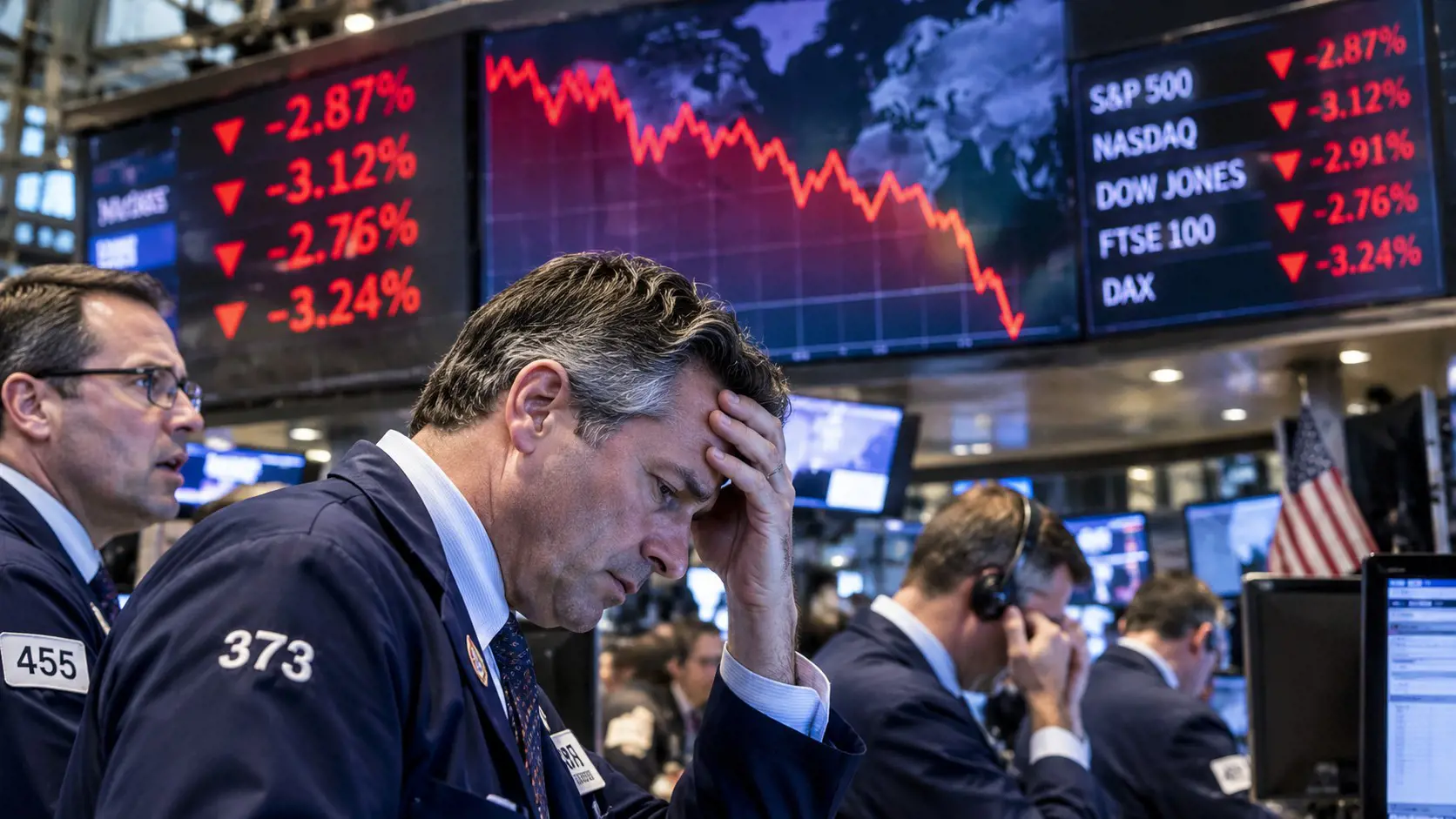
Rising energy prices, geopolitical tensions, and monetary uncertainty are reshaping the global economic landscape. WBO highlights the need for resilient trade infrastructure, diversified financial networks, and stronger international economic cooperation.
Font Size
1x
Reading time: 3 min