




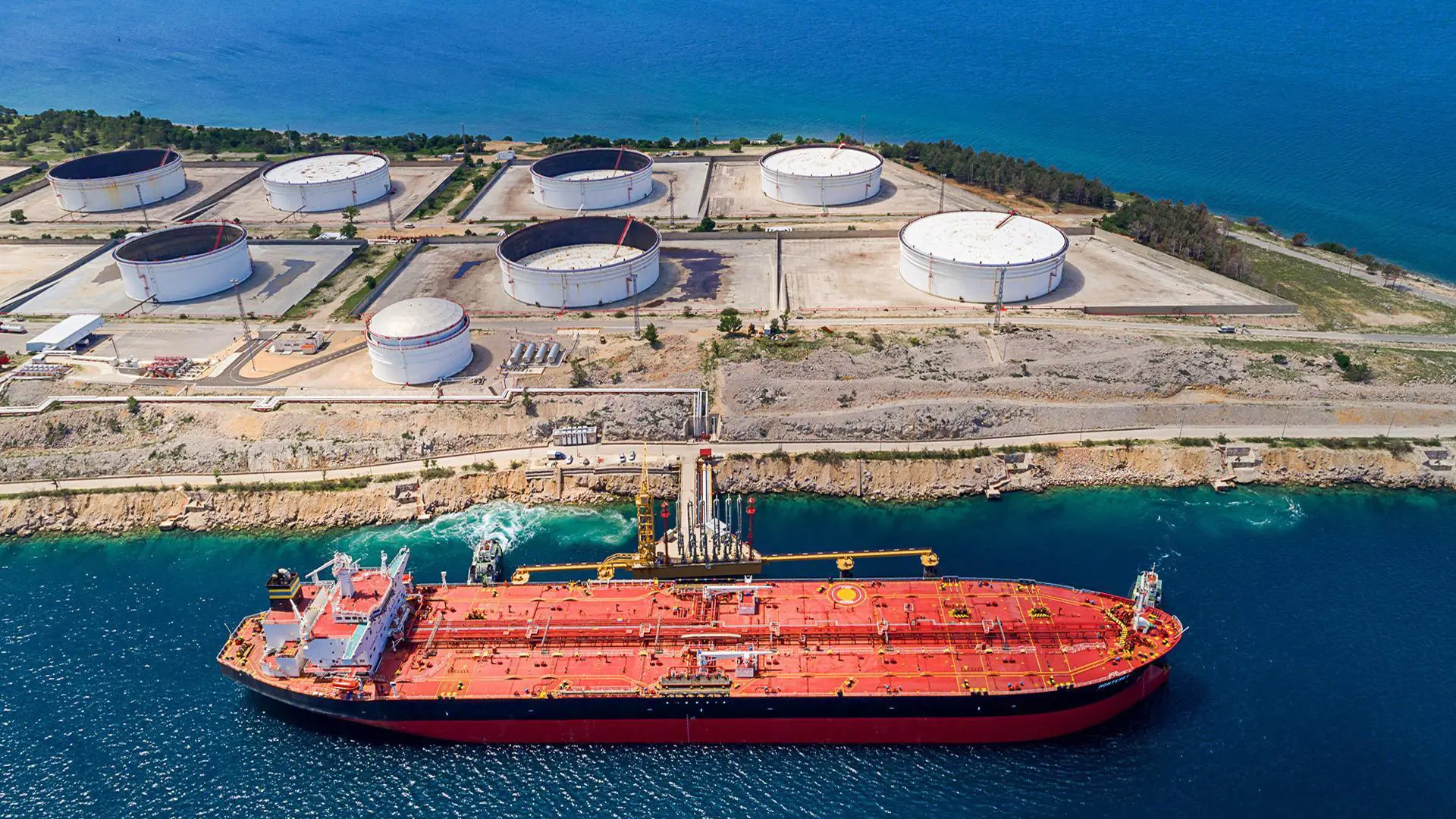
Global Oil Reserves Under Growing Pressure
The World's Oil Buffer Is Shrinking
The global oil market is facing one of its most significant supply challenges in recent years. Geopolitical tensions, disruptions to major energy transportation routes, and restricted exports from key producing regions have placed considerable pressure on global crude oil availability. More importantly, countries are increasingly relying on commercial inventories and strategic petroleum reserves to compensate for supply disruptions, gradually reducing the buffers designed to protect their economies during emergencies.
According to the International Energy Agency's October 2026 Oil Market Report, global observed oil inventories declined by approximately 509 million barrels between the end of February and the end of September. Onshore inventories have fallen to their lowest levels since at least 2016, highlighting the growing vulnerability of the international energy system. The report also indicates that global oil supply remains exposed to renewed disruptions despite a partial recovery in production and exports.
Beyond Oil Prices: A Global Economic Chain Reaction
The consequences of declining oil inventories extend far beyond the energy sector. Higher crude prices translate into increased transportation costs, industrial production expenses, shipping insurance premiums, and electricity generation costs in energy-dependent economies.
The impact is particularly significant for developing countries that rely heavily on imported petroleum. Higher import bills can weaken national currencies, increase inflationary pressure, reduce foreign exchange reserves, and constrain government spending.
Manufacturing, agriculture, aviation, maritime transportation, and logistics are among the sectors most exposed to prolonged energy market instability. Furthermore, uncertainty surrounding future oil availability can discourage long-term investment and increase financial market volatility.
An important concern is that even if geopolitical tensions ease, rebuilding depleted inventories and restoring disrupted supply chains will require considerable time.
WBO's Strategic Approach to Energy and Trade Resilience
The World Business Organization (WBO) considers energy security an essential component of sustainable international trade and economic stability.
WBO's strategic approach emphasizes the development of interconnected commercial infrastructure that can reduce dependence on vulnerable trade routes and strengthen access to international markets.
Through its proposed Global Network of Secure Smart Trade Cities (GN-SSTC), WBO aims to connect strategic economic locations through physical and digital trade corridors, facilitating commercial cooperation and improving the resilience of international supply chains.
The organization also promotes the development of independent international financial centres and diversified trade-financing mechanisms to facilitate investment in energy infrastructure, transportation networks, and essential economic sectors.
Furthermore, WBO emphasizes international cooperation in strategic resource management, business intelligence, supply-chain transparency, and the development of alternative commercial routes.
Energy Security Requires Global Cooperation
The current situation demonstrates that energy security cannot be achieved through petroleum reserves alone. Diversified supply networks, reliable transportation infrastructure, financial cooperation, and coordinated international investment are equally essential.
WBO believes that building a more resilient global economy requires moving from reactive crisis management toward long-term infrastructure development and international economic cooperation.
The ability to maintain uninterrupted access to essential resources, even during geopolitical and financial disruptions, will increasingly determine the competitiveness and economic security of nations.