




AI Is Reshaping the Global Labor Market
A New Era of Economic Transformation
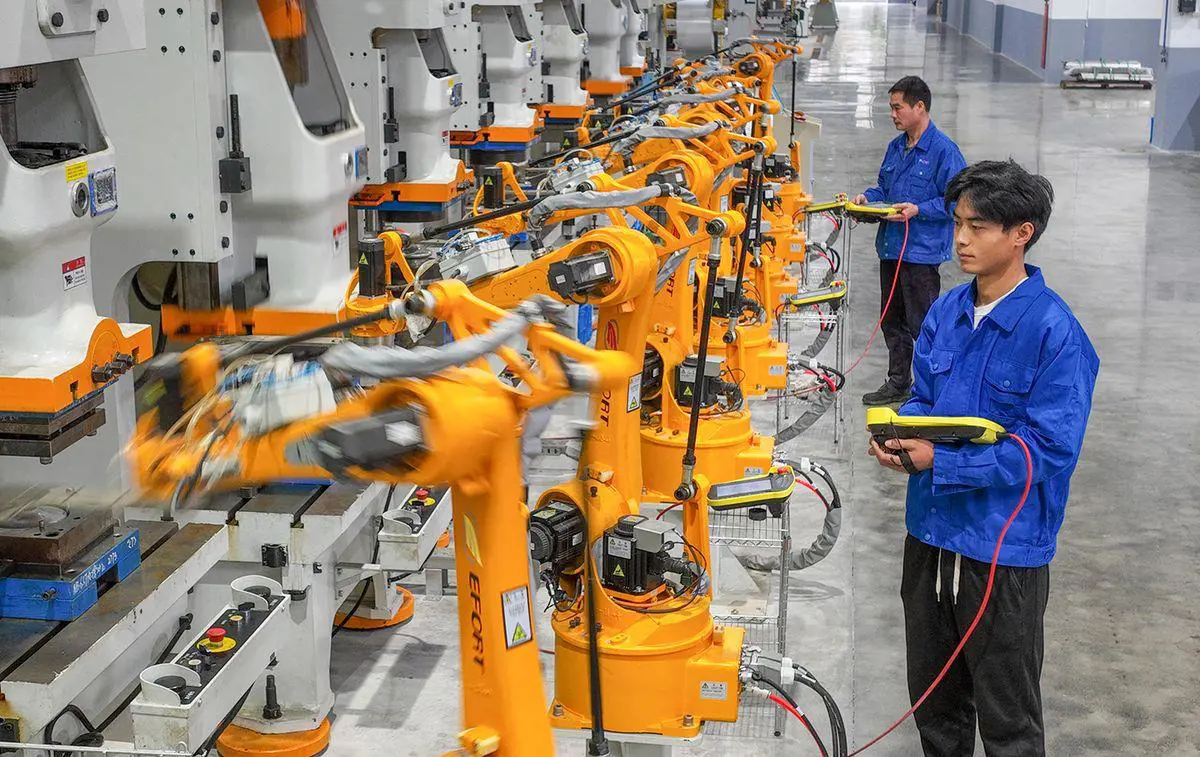
Artificial intelligence is rapidly changing the global economic landscape, influencing financial markets, manufacturing, professional services, education, transportation, and international trade. As companies increasingly integrate AI into their operations, productivity gains are becoming a major driver of investment and corporate competitiveness. However, the transition is also raising concerns about employment security and the future structure of the global workforce.
According to a joint International Labour Organization (ILO) and World Bank study published in March 2026, generative AI is expected to affect labour markets across 135 countries. The research highlights that advanced economies face greater occupational exposure, particularly in administrative and professional positions, while developing economies face additional challenges due to limited digital infrastructure and technological capabilities.
Global Unemployment: Different Countries, Different Challenges
Recent unemployment statistics demonstrate significant differences between national labour markets. According to the latest available figures, the United States recorded an unemployment rate of 4.2% in September 2026, while the European Union reported 6.2% and the euro area 6.5%. Japan remains among the OECD economies with unemployment below 3%, whereas Finland and Spain continue to experience unemployment rates exceeding 10%.
These figures should not be interpreted as evidence of AI-driven unemployment. Rather, they provide an overview of labour market conditions during a period of accelerating technological transformation.
The OECD's 2026 Employment Outlook also identifies significant regional differences in exposure to generative AI. Depending on regional industrial structures and occupational composition, the share of workers in highly exposed occupations ranges from approximately 16% to more than 70%.
Financial Markets and the Redistribution of Economic Value
AI is also reshaping investment markets. Technology companies, semiconductor manufacturers, cloud computing providers, and data centre operators are attracting substantial investment. Meanwhile, traditional businesses are under increasing pressure to modernize their operations or risk losing competitiveness.
A fundamental economic question is emerging: who will benefit from the productivity gains generated by AI? If automation reduces labour costs without creating sufficient alternative employment opportunities, income inequality could increase and consumer purchasing power could weaken.
WBO's Strategic Approach: Preparing Economies for the AI Transition
The World Business Organization (WBO) considers artificial intelligence a structural transformation requiring coordinated international economic policies rather than isolated technological investments.
WBO's strategic priorities include promoting global professional education and skills standardization, facilitating cooperation between universities and businesses, and supporting the development of AI-enabled commercial infrastructure.
Through its proposed Global Network of Secure Smart Trade Cities (GN-SSTC), WBO aims to establish interconnected international centres supporting business development, digital trade, professional education, research, and technological cooperation.
The organization also emphasizes the importance of preparing developing economies to participate in the AI-driven economy through technology transfer, international investment, and access to global commercial networks.
The Future of Work Requires Global Cooperation
Artificial intelligence does not necessarily mean fewer jobs in every sector. It means that the nature of employment, required qualifications, and distribution of economic value are changing.
The countries best positioned to benefit from this transformation will be those capable of combining technological innovation with workforce development, investment in human capital, and inclusive economic policies.
The challenge is no longer simply adopting artificial intelligence. It is ensuring that technological progress translates into broader economic prosperity.