



Global Inflation and Energy Uncertainty: How International Business Must Adapt to a Changing Economic Landscape
Rising energy costs, geopolitical uncertainty and persistent inflationary pressures are reshaping the global economic environment. As businesses face increasing operational challenges, international cooperation, market diversification and strategic investment are becoming essential for sustainable economic growth.
A Changing Global Economic Environment
The global economy is facing a new period of uncertainty as energy market volatility, geopolitical tensions and persistent inflationary pressures continue to influence international trade and investment.
Rising oil and gas prices are affecting production costs, transportation, logistics and food supply chains. These developments are creating additional challenges for businesses, particularly small and medium-sized enterprises that have limited financial flexibility to absorb unexpected economic shocks.
At the same time, differences in economic performance across countries are creating new opportunities and risks for international investors and businesses.
Energy Markets and International Trade
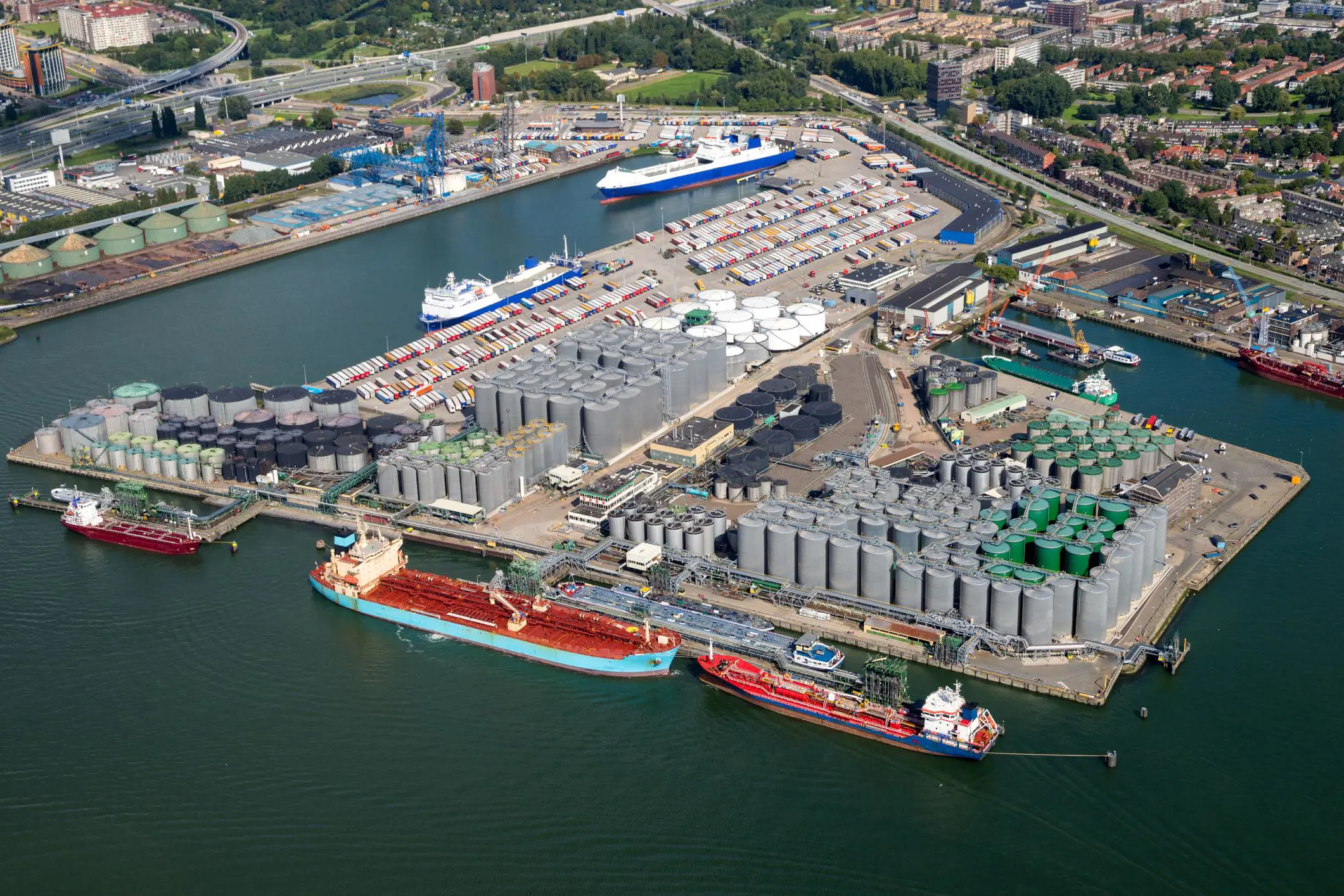
Energy security has become one of the most important strategic priorities for governments and international businesses.
Countries heavily dependent on imported energy are particularly exposed to price fluctuations and supply disruptions. Meanwhile, businesses operating across multiple markets are increasingly reconsidering their supply chains, procurement strategies and investment priorities.
These developments are accelerating interest in renewable energy, alternative transportation networks, technological innovation and more diversified international trade relationships.
Monetary Policies and Investment Challenges
Central banks face increasingly complex decisions as they attempt to control inflation without undermining economic growth.
Maintaining higher interest rates can help reduce inflationary pressures, but it also increases financing costs for businesses and governments. Consequently, investment projects may face delays, while access to affordable financing becomes more difficult, particularly in emerging economies.
For international businesses, financial resilience, careful risk assessment and diversification are becoming essential components of long-term planning.
WBO's Approach: Strengthening International Economic Cooperation
The World Business Organization (WBO) considers the current economic environment an important reason to strengthen international business cooperation and improve access to global economic opportunities.
In response to these challenges, WBO's strategic approach focuses on several key priorities:
-
International Market Diversification: Facilitating connections between businesses and potential partners across different countries to reduce excessive dependence on individual markets.
-
Global Business Networking: Strengthening international cooperation among entrepreneurs, investors, companies and economic institutions.
-
Investment Opportunities: Supporting the identification of emerging investment opportunities, particularly in energy, infrastructure, technology, logistics and sustainable development.
-
Knowledge and Policy Development: Promoting specialized research, economic analysis and international dialogue to help businesses better understand changing market conditions.
-
SME Development: Encouraging greater participation of small and medium-sized enterprises in international trade networks and cross-border business activities.
Through its international network, specialized institutional capacities and cooperation frameworks, WBO seeks to contribute to a more resilient and interconnected global business environment.