




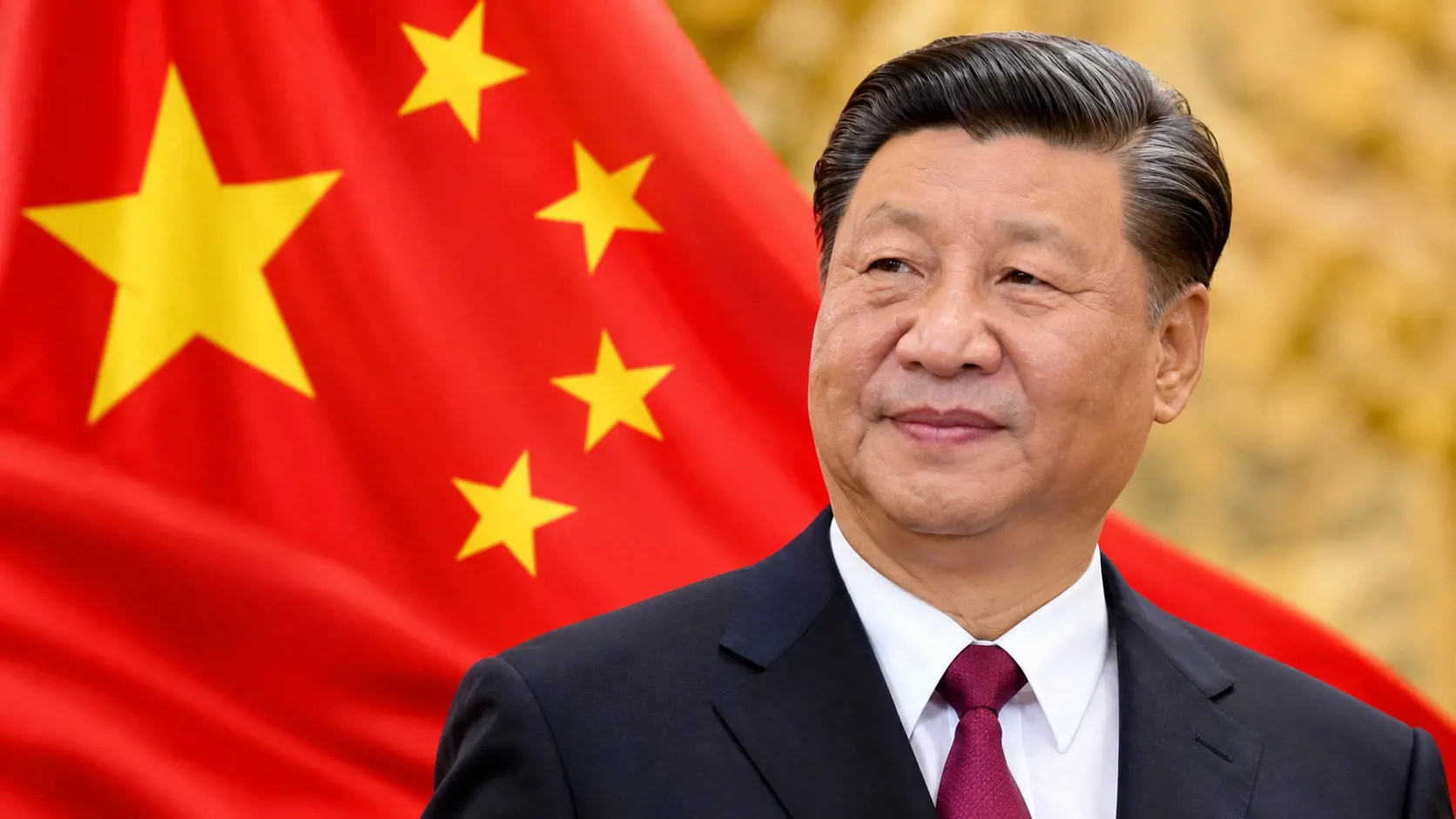
Xi Jinping’s Vision: Reshaping China’s Global Economic Power
A New Direction for China's Economic Development
Under the leadership of President Xi Jinping, China is pursuing an economic strategy aimed at strengthening its position in the global economy through technological innovation, industrial modernization, domestic market expansion, and international trade cooperation.
As the global economic environment undergoes significant changes, China's 2026 economic agenda places particular emphasis on high-quality growth, technological development and strengthening the country's role in international investment and trade. The government's 2026 growth target stands at 4.5–5 percent, supported by fiscal measures, infrastructure investment and policies designed to stimulate domestic consumption.
Technology, Investment and Industrial Transformation
A central element of Xi Jinping's economic vision is the transition toward an innovation-driven economy. Artificial intelligence, advanced manufacturing, semiconductors, renewable energy, electric vehicles and digital infrastructure are among the sectors receiving strategic attention.
China's commitment to technological development is also creating new opportunities for international businesses, investors and industrial partners. Its extensive manufacturing infrastructure, research capabilities, and expanding technology ecosystem provide a significant foundation for cross-border commercial cooperation.
At the same time, initiatives to strengthen domestic consumption and support private investment demonstrate an effort to create a more balanced economic structure. China's fiscal policy for 2026 includes targeted support for technological innovation, small and medium-sized enterprises and consumer demand.
Expanding International Trade and Economic Cooperation
China's international economic strategy increasingly emphasizes broader market access, foreign investment and stronger commercial relationships.
Its commitment to expanding international economic engagement, alongside initiatives such as the Belt and Road Initiative, provides opportunities for infrastructure development, logistics cooperation, industrial partnerships and investment across different regions.
For international companies, China's large consumer market and industrial capabilities represent important opportunities, particularly in technology, energy, manufacturing, transportation and financial services. However, sustainable cooperation requires transparent regulations, fair competition and balanced commercial relationships.
WBO Perspective: Supporting Strategic Economic Cooperation with China
The World Business Organization (WBO) recognizes China's significant position in the international economic system and views constructive economic engagement with China as an important component of global business development.
WBO supports the expansion of mutually beneficial trade relationships, international investment partnerships, technological cooperation and stronger connections between Chinese businesses and international markets.
The Organization believes that cooperation between China and other economies should be developed through dialogue, commercial transparency, respect for international trade principles and the creation of shared economic opportunities.
WBO also encourages international businesses, investors and economic institutions to explore practical cooperation opportunities with Chinese companies, particularly in emerging technologies, industrial development, infrastructure, green energy and international supply chains.
Building Opportunities for the Global Business Community
China continues to face economic challenges, including domestic demand imbalances, property-sector adjustments and international trade tensions. Addressing these issues will remain important for maintaining sustainable economic growth.
Nevertheless, China's economic transformation represents a significant development for the international business community.
WBO considers stronger international economic cooperation, including constructive engagement with China, an important pathway toward expanding global trade, attracting investment, and creating new opportunities for businesses across national borders.