




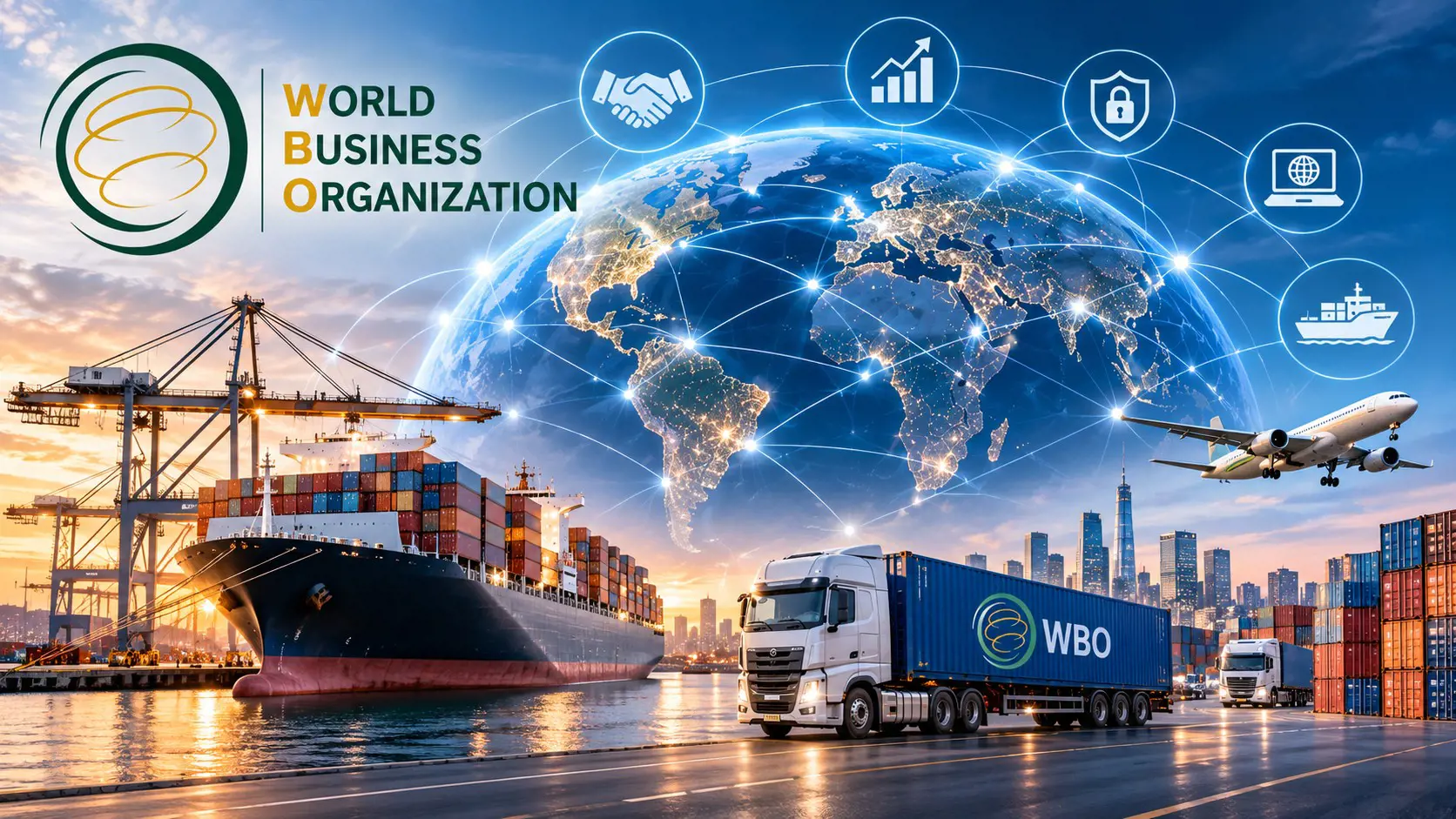
The Future of Trade Is Digital and Connected
Global trade is entering a new era in which technology, digital infrastructure and international cooperation are becoming essential elements of economic competitiveness.
Businesses no longer compete only through the quality of their products or the prices they offer. Their ability to access international markets, establish trusted partnerships, manage cross-border transactions and respond quickly to changing economic conditions is increasingly important.
Digital platforms, artificial intelligence, blockchain technology and smart logistics are transforming how companies conduct international business. These innovations can reduce administrative barriers, improve supply-chain visibility and create new opportunities for small and medium-sized enterprises.
However, technological progress alone cannot guarantee a more efficient global trading system. International businesses also need reliable commercial frameworks, transparent procedures, secure transactions and greater compatibility between different national systems.
This is where international cooperation becomes particularly important. Developing common approaches to business verification, digital trade documentation and commercial transparency can help create a more predictable environment for companies operating across borders.
The next generation of global trade will not simply be about moving products between countries. It will be about connecting businesses, technologies, institutions and markets through smarter and more reliable international networks.
The future of commerce belongs to businesses that can connect globally, operate intelligently and build trust across borders.