




America’s Economic Future: How Congressional Elections Could Reshape U.S. Economic Policy
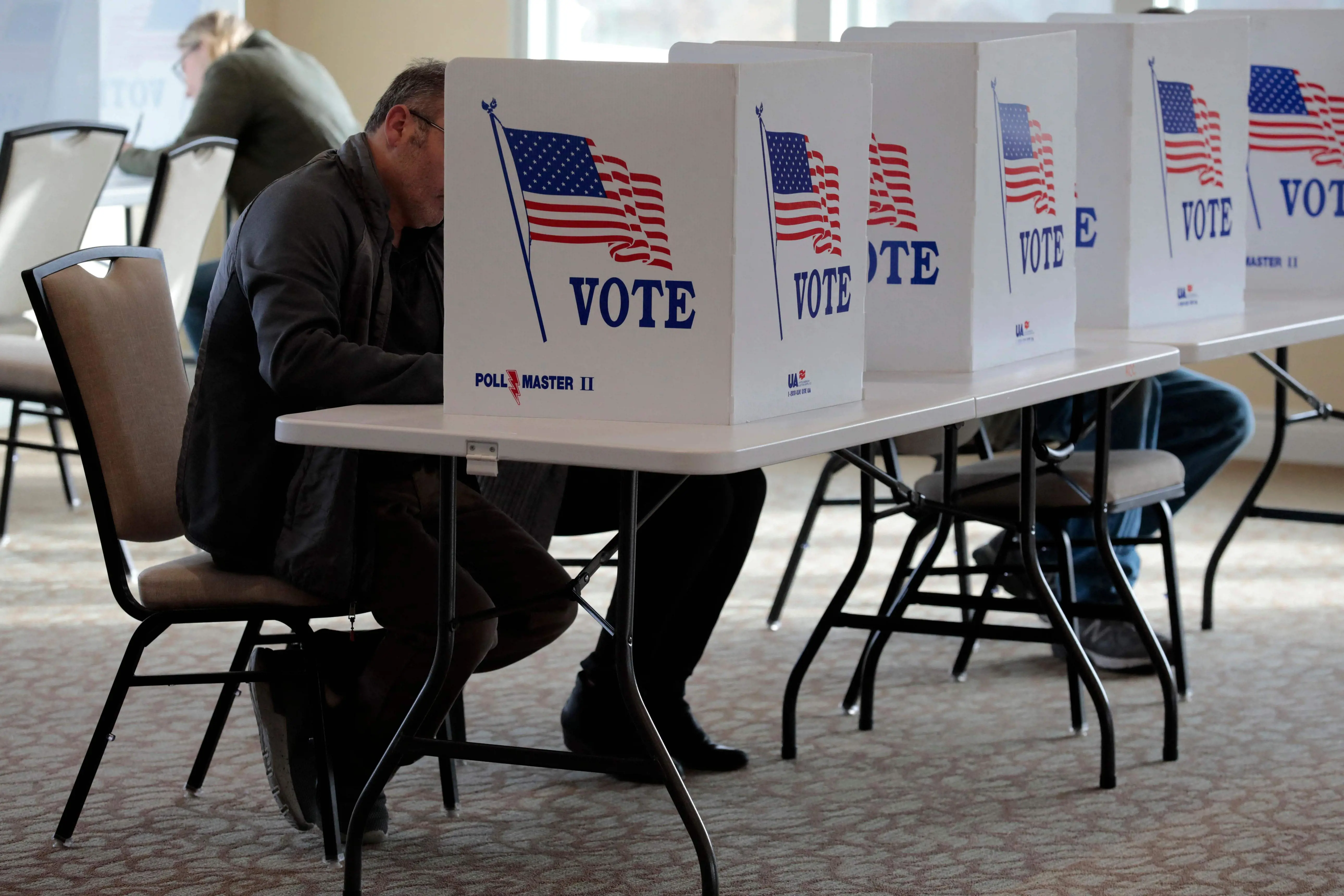
The outcome of the 2026 U.S. midterm elections could significantly influence the direction of American economic policy over the next two years. With all 435 seats in the House of Representatives and approximately one-third of the Senate seats contested, the election represents a critical turning point for President Donald Trump’s economic agenda.
The balance of power between Republicans and Democrats in Congress will influence taxation, government spending, international trade, energy investment, financial regulation, and the future of America's industrial strategy.
1. If Republicans Retain Control of Both Chambers
A Republican victory in both the House and Senate would provide the Trump administration with greater legislative flexibility.
The administration could pursue its existing economic priorities with fewer congressional obstacles, including tax incentives for domestic businesses, deregulation, expanded fossil fuel production, infrastructure investment, and policies designed to strengthen American manufacturing.
International trade policy would also likely remain focused on tariffs, bilateral negotiations, and economic pressure on strategic competitors.
For businesses, this scenario could create greater continuity in the administration's economic direction. However, persistent trade tensions, inflationary pressures, and concerns about federal borrowing could continue to create uncertainty for investors.
2. If Democrats Gain Control of the House of Representatives
A Democratic victory in the House, while Republicans retain the Senate, would create a divided Congress.
This scenario could substantially increase congressional scrutiny of the administration's economic decisions, particularly tariffs, federal spending, trade agreements, and the implementation of tax policies.
Democrats would have greater opportunities to introduce legislation, conduct investigations, and challenge aspects of the administration's economic strategy. However, Republican control of the Senate and the president's veto authority would limit the likelihood of major legislative reversals.
For international businesses, this arrangement could mean greater uncertainty surrounding future trade negotiations and regulatory decisions, even if the central direction of U.S. economic policy remains relatively unchanged.
3. If Democrats Gain Control of Both the House and Senate
A Democratic victory in both chambers would represent the most significant change in the congressional balance of power.
Democrats could use their control of Congress to challenge elements of Trump's fiscal and economic agenda, seek modifications to federal spending priorities, and introduce alternative approaches to healthcare, taxation, energy investment, and international trade.
Nevertheless, the president would retain executive authority and the power to veto legislation. Consequently, even unified Democratic control of Congress would not automatically result in the reversal of the administration's major economic policies.
The most immediate effects could emerge through budget negotiations, congressional oversight, confirmation procedures, and debates over the federal debt ceiling.
4. The Economic Issues That Matter Regardless of the Winner
Beyond party control, several structural challenges will continue to shape America's economic future.
- Federal Debt and Government Spending: With U.S. national debt exceeding $40 trillion, fiscal sustainability will remain a major concern for policymakers and financial markets.
- International Trade: Tariffs and trade negotiations will continue to influence American import costs, manufacturing competitiveness, supply chains, and relations with major trading partners.
- Artificial Intelligence and Technology: Investment in AI infrastructure, semiconductor production, and data centers will remain central to America's long-term economic competitiveness.
- Energy and Industrial Investment: Differences between the parties over fossil fuels, renewable energy, and industrial subsidies could influence investment patterns and regional economic development.