



The Weaponization of Economic Interdependence: Is Global Trade Becoming a Political Battlefield?
Global trade was traditionally built on the assumption that economic interdependence creates mutual benefits, strengthens international cooperation, and reduces the incentives for political confrontation. However, the evolving geopolitical landscape is challenging this assumption. Today, access to markets, financial systems, critical technologies, energy resources, and international supply chains is increasingly being used as an instrument of political and strategic influence.
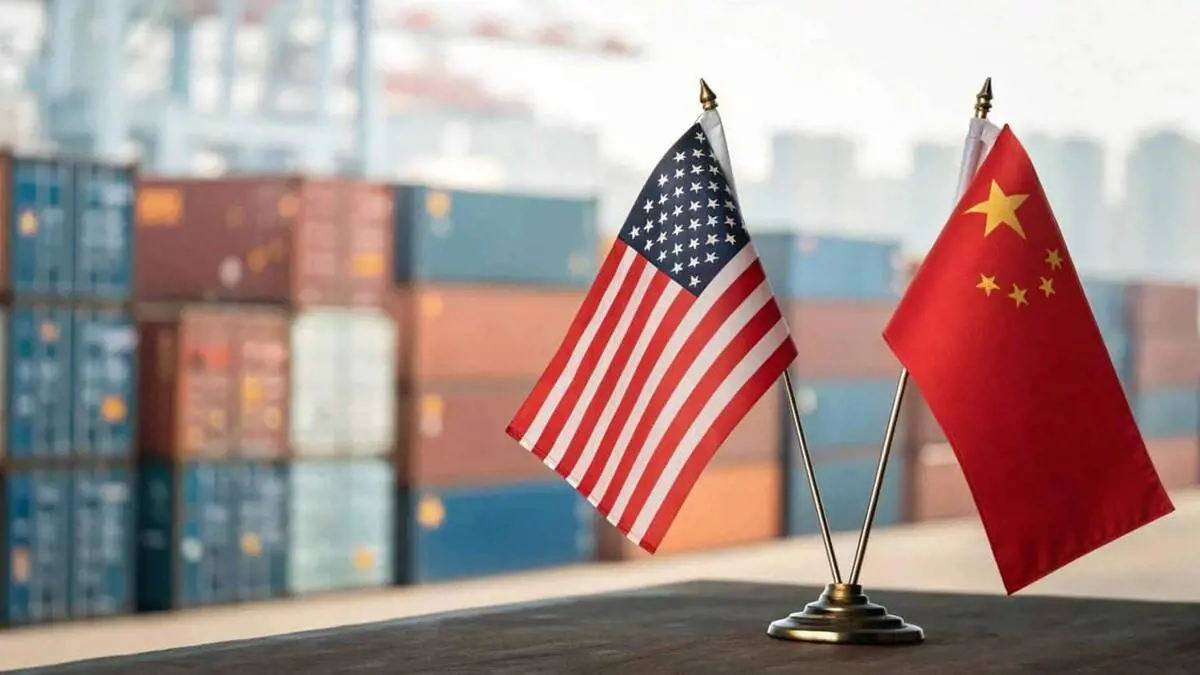
The growing competition between major economic powers, particularly the United States and China, demonstrates how commercial dependencies can become geopolitical pressure points. Export restrictions, financial sanctions, tariffs, investment limitations, and controls over strategic raw materials are no longer isolated economic measures. They are increasingly integrated into broader national security and foreign policy strategies.
From Economic Cooperation to Strategic Vulnerability
The fundamental problem is not economic interdependence itself, but the unequal distribution of dependence.
When a country or business relies excessively on a single supplier, financial network, transportation corridor, or export market, that relationship can become a source of vulnerability. Disruptions may extend far beyond the directly targeted sector, affecting employment, industrial production, investment confidence, and consumer markets.
Consequently, governments and businesses are reconsidering traditional supply-chain models. Diversification, alternative trade corridors, independent financial infrastructure, and regional commercial partnerships are becoming essential components of economic resilience.
WBO: Developing an Alternative Architecture for Global Trade
The World Business Organization (WBO) believes that addressing these challenges requires more than diplomatic negotiations or temporary trade agreements. It requires interconnected international infrastructure that lets businesses and economies maintain commercial cooperation across geopolitical boundaries.
Through its Global Network of Secure Smart Trade Cities (GN-SSTC) initiative, WBO is developing a framework of interconnected physical and digital trade environments designed to facilitate international business cooperation, commercial services, trade standardization, education, and market connectivity.
Another key initiative is developing the WBO Trade Code, an international commercial framework designed to strengthen business identification, verification, credibility, and cooperation through structured private-sector participation.
WBO is also advancing plans for a Network of Independent Global Financial Centres and International Trade Finance Infrastructure. The objective is to expand access to international trade finance and strengthen financial connectivity across different economic regions.
These initiatives are complemented by WBO's broader programs in international trade education, standardization, business networking, and the development of global trade-support institutions.
Building Resilience Without Creating New Divisions
WBO's approach is not based on replacing one dominant economic system with another or creating new geopolitical blocs. Its objective is to strengthen the institutional and infrastructural foundations of international commerce.
The future of global trade should not depend on the political alignment of individual countries or the concentration of critical commercial infrastructure in a limited number of jurisdictions.
Economic interdependence should remain a source of shared prosperity rather than an instrument of coercion.
The challenge facing the international business community is therefore clear: building a more diversified, accessible, and resilient global trading system in which cooperation can continue even when political relations deteriorate.
The next stage of globalization will not simply be defined by how much countries trade with one another, but by how securely, independently, and sustainably they can maintain those relationships.