



Reducing the Cost of Global Trade: WBO's Strategy for Financial, Banking, Insurance and Logistics Cooperation
International trade involves far more than the purchase and sale of goods. Banking fees, international payment costs, transportation charges, cargo insurance, financial guarantees, customs procedures, and intermediary services collectively create a substantial cost burden for businesses operating across borders.
For small and medium-sized enterprises (SMEs), these expenses can significantly reduce profit margins and limit their ability to compete in international markets.
Recognizing this challenge, the World Business Organization (WBO) is advancing an institutional approach aimed at reducing the overall cost of international trade through structured cooperation with established global banks, major logistics companies, insurance providers, and other international service institutions.
From Individual Bargaining to Collective Economic Advantage
One of the central challenges facing international businesses is their fragmented access to commercial services. Individual companies often lack the transaction volumes and bargaining power required to negotiate competitive banking, transportation, and insurance conditions.
WBO's proposed approach seeks to address this structural disadvantage by connecting businesses through an international commercial network and facilitating collective access to service providers.
Through negotiations and institutional cooperation with reputable international banks, WBO aims to facilitate more competitive trade finance arrangements, international payment solutions, financial guarantees, and other banking services for participating businesses.
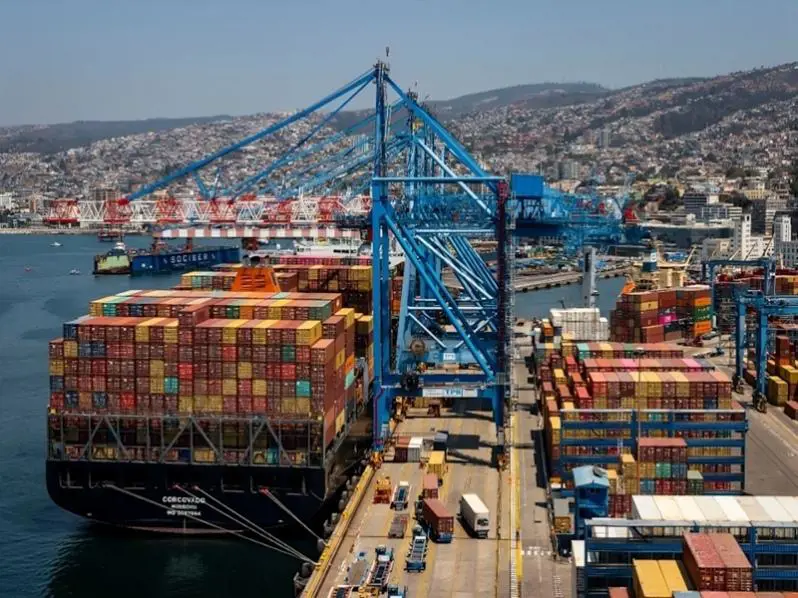
In logistics, cooperation with major international transportation and shipping companies could create opportunities for negotiated freight rates, more efficient cargo handling, integrated transportation solutions, and improved access to international trade corridors.
Similarly, engagement with international insurance providers could help businesses access more competitive cargo insurance, transportation coverage, and trade-related risk protection.
The Role of WBO's Global Trade Cities
The Global Network of Secure Smart Trade Cities (GN-SSTC) represents an important component of this strategy.
These interconnected physical and digital trade environments are designed to bring businesses, financial institutions, logistics operators, insurance providers, and international commercial service organizations into a coordinated ecosystem.
By concentrating commercial demand and facilitating institutional connections, the network could create economies of scale, reduce unnecessary intermediaries, and improve access to competitive international services.
The proposed network of independent global financial centres and international trade finance infrastructure would further support this objective by strengthening financial connectivity between different economic regions.
A More Accessible Global Trading Environment
WBO's broader objective is to ensure that access to competitive international trade services is not exclusively determined by the size of a company or its financial resources.
Through international cooperation, collective commercial capacity, standardized business verification, and integrated trade infrastructure, the organization aims to help businesses reduce operational costs, improve competitiveness, and expand their international market access.
Ultimately, reducing the cost of global trade is not simply about negotiating lower prices. It is about creating a more efficient international economic system in which businesses can access financial, logistical, and commercial services under more transparent and competitive conditions.
WBO's vision is to make global trade more accessible, more efficient, and economically sustainable for businesses of all sizes.