




AI, Emotions, and Creativity: The New Competitive Architecture of Customer Engagement
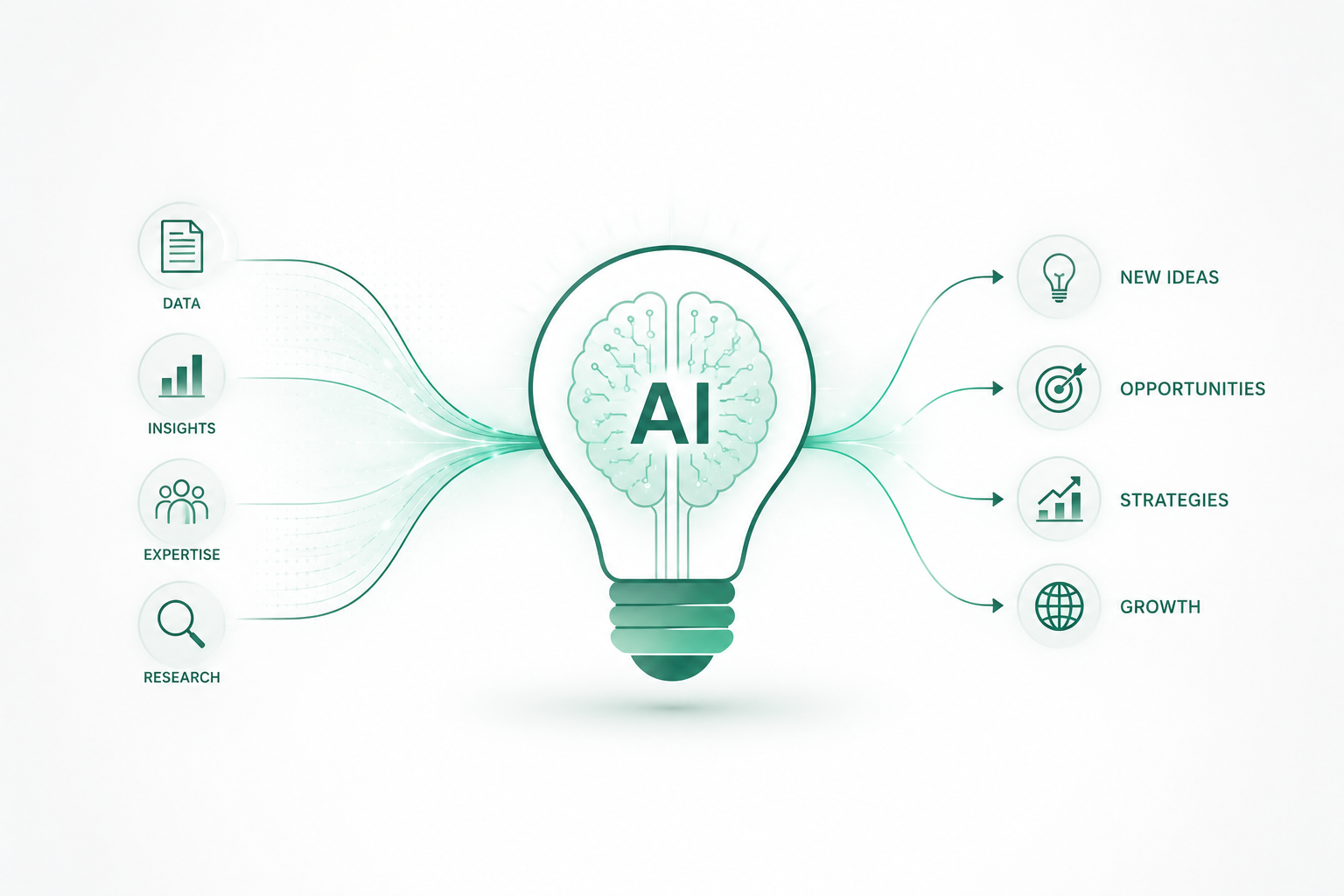
The discussions emerging from Cannes Lions 2026 point to a profound transformation in the way organizations understand and engage with customers. At the center of this transformation lies a powerful convergence of artificial intelligence, human emotions, and creativity. Rather than viewing AI as a replacement for human ingenuity, forward-looking organizations increasingly recognize it as a force multiplier—one that enhances creative capabilities while enabling a deeper understanding of human behavior and decision-making.
For decades, personalization strategies were largely based on demographic profiles, purchasing histories, and transactional data. Today, however, a new paradigm is emerging. Advances in artificial intelligence allow organizations to analyze behavioral patterns, preferences, and interactions at an unprecedented scale. As a result, customer engagement is evolving beyond traditional data-driven approaches toward a more sophisticated model that incorporates emotional and psychological dimensions. Businesses are no longer simply targeting consumers; they are seeking to understand how individuals think, feel, and respond to the world around them.
This shift highlights the growing importance of behavioral science and psychology within modern business strategy. Human decisions—whether related to purchasing, investing, or commercial partnerships—are rarely driven by rational calculations alone. Emotions, cognitive biases, social influences, and subjective perceptions often shape outcomes more powerfully than objective information. By combining artificial intelligence with behavioral insights, organizations gain the ability to identify not only what people do, but also why they do it.
One of the most significant lessons emerging from Cannes Lions 2026 is that the true value of AI does not lie in replacing human capabilities but in creating synergy between computational intelligence and human creativity. Artificial intelligence can process information, identify patterns, and optimize decisions at extraordinary speed. Yet empathy, storytelling, imagination, meaning, and emotional connection remain fundamentally human strengths. The organizations that succeed in the coming decade will be those capable of integrating both dimensions into a unified strategy.
Beyond marketing, this transformation has broader implications for the future of commerce itself. As AI systems become increasingly accessible, technological capabilities are becoming commoditized. The competitive advantage of the future may therefore depend less on possessing advanced technology and more on understanding human motivations better than competitors. In an environment where access to information is nearly universal, emotional relevance and psychological insight are emerging as strategic assets. Organizations capable of building authentic connections with stakeholders, customers, and partners will be better positioned to create sustainable value.
An equally important development is the emergence of what might be described as the "behavioral economy", an economic environment where attention, trust, perception, and emotional engagement become critical drivers of value creation. In such a landscape, organizations will compete not only for market share but also for cognitive and emotional relevance. The ability to understand behavioral signals, anticipate customer expectations, and create meaningful experiences may become as important as traditional operational efficiency.
This evolution also carries significant implications for leadership. Future business leaders will need to navigate a world where technological intelligence and emotional intelligence are increasingly interconnected. Data may reveal patterns, but leaders will still be responsible for interpreting those patterns within human contexts. Strategic decisions will require not only analytical accuracy but also empathy, ethical judgment, cultural awareness, and the ability to inspire trust across increasingly diverse and interconnected markets.
As artificial intelligence continues to advance, the most transformative innovations are unlikely to emerge from machines acting independently. Instead, they will arise from the collaboration between human insight and artificial intelligence. The future of customer engagement, business strategy, and economic value creation will belong to those who successfully combine technology, psychology, and creativity into a coherent and human-centered vision.
Dr. Sara Mei
Psycho-Trade Think Tank Chairman