




Zero-Carbon Infrastructure to Power the Future of Smart Commercial Cities
The World Business Organization (WBO) has announced that all future developments within its Global Network of Smart Commercial Cities initiative will be constructed according to a comprehensive zero-carbon framework, reflecting a long-term commitment to sustainable economic development and environmental responsibility. The initiative integrates advanced construction technologies, renewable-energy systems, and high-efficiency architectural design to create a new generation of commercial and industrial infrastructure capable of operating with minimal environmental impact. By combining lightweight yet highly durable composite materials, optimized structural engineering, and next-generation thermal insulation technologies, the model significantly reduces energy consumption while eliminating most carbon emissions associated with both construction and operational activities.
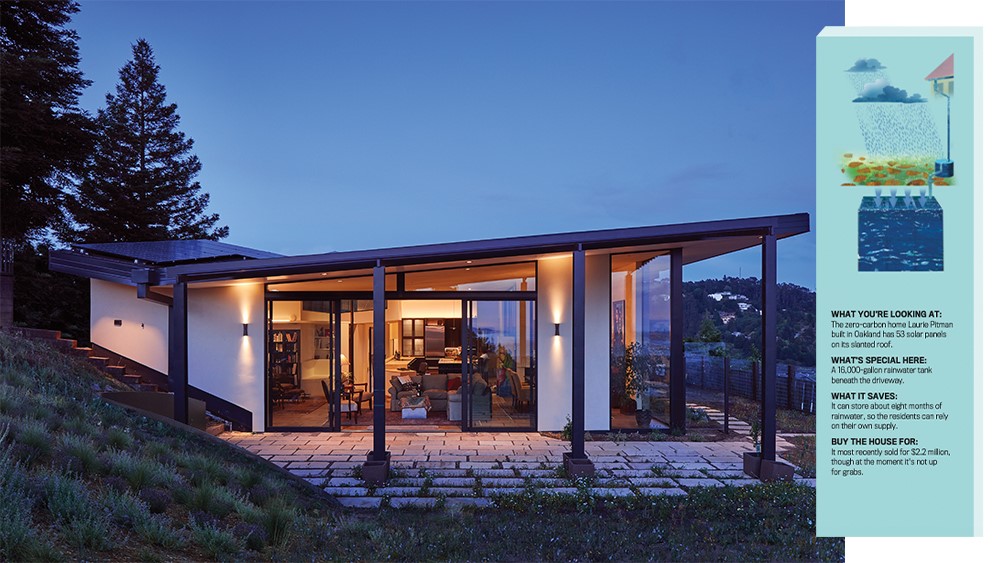
A key feature of the framework is the incorporation of clean-energy infrastructure into every development. Solar-energy systems, heat-recovery technologies, and intelligent energy-storage solutions are integrated directly into the design, enabling greater energy independence and reducing reliance on conventional power grids. This capability is particularly valuable for industrial facilities, remote operational sites, commercial hubs, and large-scale development projects seeking long-term efficiency and sustainability.
The environmental strategy extends beyond energy generation. The production and construction process follows circular-economy principles, ensuring that major components are designed for recyclability, reuse, and responsible resource management throughout their lifecycle. This approach allows each structure to maintain its zero-carbon status from manufacturing and deployment to operation and eventual renewal.
According to WBO, sustainable urban and commercial development must become a central pillar of future economic growth. As global demand for resilient infrastructure continues to increase, the organization believes that economic progress should no longer come at the expense of environmental stability.
The Global Network of Smart Commercial Cities project seeks to demonstrate that advanced commerce, industrial expansion, technological innovation, and environmental stewardship can coexist within a single development model. Through the adoption of zero-carbon standards across all future cities in the network, WBO aims to establish a new international benchmark for sustainable commercial infrastructure while contributing to a cleaner, more resilient, and economically prosperous future for generations to come.