




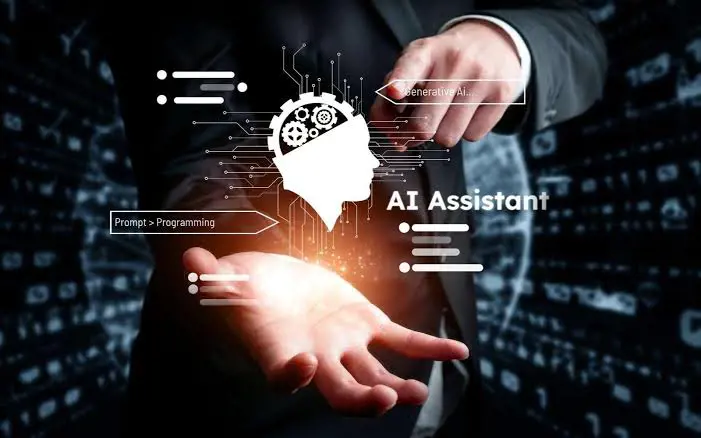
AI Collaboration Readiness: The New Competitive Advantage for Entrepreneurs
Artificial intelligence is transforming entrepreneurship at an extraordinary pace. From generating business strategies and analyzing market trends to creating content and automating operations, AI has become an essential part of modern business. Yet the most important question for entrepreneurs is no longer whether they should use artificial intelligence. The real question is whether they are prepared to collaborate with it effectively. This capability, known as AI Collaboration Readiness, is rapidly becoming one of the most valuable entrepreneurial competencies of the future.
AI Collaboration Readiness is the ability to work strategically with artificial intelligence to improve decision-making, innovation, productivity, and business performance. It is not about replacing human intelligence with machines. Instead, it is about understanding how to combine the strengths of AI with uniquely human capabilities such as judgment, creativity, ethics, empathy, and strategic thinking.
One of the most important elements of AI Collaboration Readiness is AI literacy. Entrepreneurs must understand what AI can do, where its limitations lie, and when its recommendations should be questioned. Artificial intelligence can generate impressive outputs, but it can also produce inaccurate information, overlook context, or reinforce biases. Effective entrepreneurs recognize that AI is a powerful assistant, not an infallible decision-maker.
Another essential capability is knowing how to allocate tasks between humans and AI. Machines excel at processing large amounts of data, identifying patterns, automating repetitive tasks, and generating multiple solutions within seconds. Humans, however, remain indispensable for ethical judgment, relationship building, strategic vision, and decisions that require emotional intelligence. Successful entrepreneurs understand how to leverage both forms of intelligence rather than choosing one over the other.
AI Collaboration Readiness also requires the ability to communicate effectively with intelligent systems. Entrepreneurs who clearly define problems, ask thoughtful questions, and refine AI-generated outputs consistently achieve better results than those who simply accept the first response. As AI becomes more sophisticated, the quality of human questions increasingly determines the quality of machine-generated answers.
Equally important is the ethical use of artificial intelligence. Entrepreneurs must protect sensitive information, maintain transparency, and ensure that AI supports responsible decision-making rather than replacing human accountability. Trust will remain a uniquely human responsibility, regardless of how advanced technology becomes.
Recognizing this global transformation, the World Business Organization (WBO) encourages businesses to develop AI Collaboration Readiness as a strategic organizational capability rather than merely adopting new technologies. Through international knowledge-sharing initiatives, professional development programs, and collaboration among businesses across diverse markets, WBO promotes practical frameworks that help entrepreneurs integrate artificial intelligence responsibly while strengthening innovation, competitiveness, and long-term resilience.
Beyond technology adoption, AI Collaboration Readiness should become part of an organization's broader business culture. Companies that invest in continuous learning, establish clear governance for AI implementation, and encourage collaboration between human expertise and intelligent systems will be better positioned to respond to rapidly changing global markets. WBO views this evolution as a key component of sustainable economic development, where responsible AI adoption supports not only higher productivity but also stronger international cooperation, ethical business practices, and inclusive economic growth.
Ultimately, the future of entrepreneurship will not be defined by competition between humans and artificial intelligence. It will be defined by collaboration. The entrepreneurs who thrive will not necessarily be those who possess the most advanced technology, but those who know how to integrate AI intelligently into their thinking, decision-making, and business strategy. In the age of AI, the greatest competitive advantage will belong to entrepreneurs who master the art of human-AI collaboration.
Dr. Sara Mei
Psycho-Trade Think Tank Chairman