




Introduction
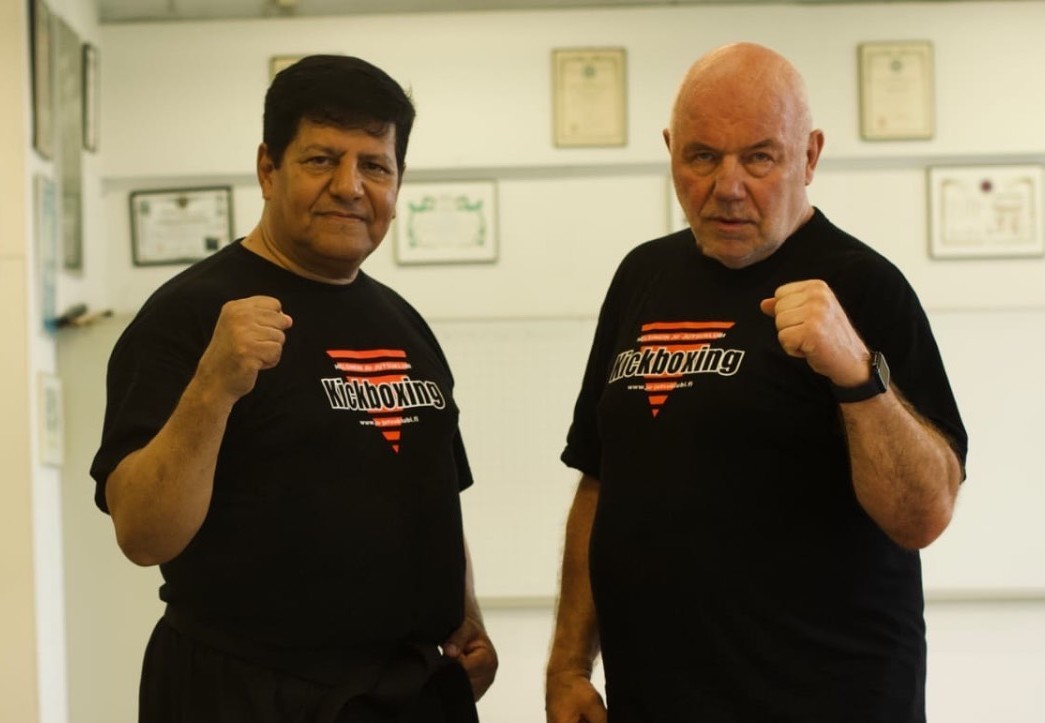
For nearly five decades, Taymor Farsi Madan has dedicated his career to advancing martial arts, promoting healthy lifestyles, and strengthening international cooperation through sport. Beginning his journey in 1978, he has grown from a passionate athlete into one of the leading figures in the international Ju-Jutsu community. Today, as Vice President of the World Federation of Ju-Jutsu, President of Asian Hokutoryu Ju-Jutsu, and Founder of Nordic Walking in Iran, he continues to champion excellence in sports education, leadership, and international collaboration. In this exclusive interview with WBO Times, he shares his perspectives on the evolution of martial arts, the future of sports leadership, technological innovation, and the enduring values that define success both on and off the field.
1- Your sporting journey began in 1978. What inspired you to dedicate your life to sport?
My journey began in 1978 with martial arts and mountaineering, two disciplines that shaped my character and outlook on life. They taught me resilience, discipline, respect, and the importance of continuous self-improvement. Over the years, sport became much more than competition. It became a platform for education, leadership, and building meaningful relationships across cultures. Every stage of my career—from athlete to coach and international sports administrator—has reinforced my belief that sport develops not only physical strength but also integrity, responsibility, and mutual understanding.
Looking back after nearly five decades, I believe the greatest achievement in sport is not winning medals but inspiring others to pursue excellence and contribute positively to society.
2- How has Ju-Jutsu evolved over the years?
Ju-Jutsu has evolved from a traditional martial art into a truly global discipline that brings together athletes from diverse cultures and backgrounds. While its technical foundations remain strong, its mission has expanded beyond competition to include education, character development, and international cooperation. Today, Ju-Jutsu promotes values such as discipline, respect, self-control, and mutual understanding. These principles make it not only a sport but also a powerful educational tool for young people. As the sport continues to grow, our responsibility is to preserve its traditions while embracing innovation, strengthening international collaboration, and creating opportunities for future generations to develop both as athletes and as responsible global citizens.
3- What is your vision for Hokutoryu Ju-Jutsu in Asia?
Asia has the potential to become one of the world's leading regions for the development of Hokutoryu Ju-Jutsu. With its young population, growing interest in martial arts, and expanding sports infrastructure, the opportunities are significant. Our vision is to build a strong and sustainable foundation through high-quality coaching, standardized education, and closer cooperation among national organizations. We are committed to developing future instructors and leaders who will uphold the core values of Hokutoryu while adapting to the needs of modern society. By investing in education and international collaboration, we can ensure that the discipline continues to grow responsibly and reaches new generations across the continent.
4- What makes Hokutoryu Ju-Jutsu unique?
Hokutoryu Ju-Jutsu is distinguished by its balanced approach, combining practical self-defense with personal development and strong ethical values. While technical excellence is essential, equal importance is given to discipline, respect, responsibility, and emotional control. What makes this system truly unique is its philosophy of developing the individual as a whole. It encourages practitioners to build confidence without aggression, strength without arrogance, and leadership through service. This holistic approach has enabled Hokutoryu Ju-Jutsu to gain recognition in many countries and makes it relevant not only as a martial art but also as a lifelong path of learning and self-improvement.
5- What leadership lessons has sport taught you?
Sport has taught me that leadership is earned through example, not authority. Success is built on discipline, consistency, teamwork, and the ability to remain focused under pressure. These principles apply equally to sport, business, and organizational leadership.
Throughout my career, I have learned that a true leader's role is to inspire others, create growth opportunities, and help people reach their full potential. Individual achievements may be celebrated, but lasting success is always the result of collective effort. Leadership is ultimately about serving others, building trust, and leaving an organization stronger than you found it.
6- How do you see the future of the global sports economy, particularly in martial arts?
The global sports economy is entering a new era driven by innovation, digital transformation, and international collaboration. Martial arts are no longer viewed solely as competitive disciplines; they have become part of a broader ecosystem that includes education, tourism, health, media, and sports technology.
To unlock their full economic potential, sports organizations must invest in professional management, international events, coach education, digital platforms, and strategic partnerships. At the same time, preserving the core values of martial arts is essential. Sustainable growth is achieved when economic development goes hand in hand with education, ethics, and social responsibility. I believe martial arts can make a significant contribution to both economic development and community well-being in the years ahead.
7- What role can organizations such as WBO play in supporting the global sports industry?
Organizations like the World Business Organization can serve as valuable bridges between the sports sector and the international business community. By facilitating networking, knowledge exchange, investment opportunities, and cross-border partnerships, they help create an environment where sport can grow sustainably.
The future of the sports industry depends not only on athletes and federations, but also on collaboration with businesses, educational institutions, and technology partners. WBO has the potential to support this ecosystem by encouraging innovation, international dialogue, and responsible economic development.
8- What message would you like to share with the next generation of athletes and sports leaders?
Never stop learning, because true success is a journey rather than a destination. Pursue excellence with discipline and humility, but always remember that character is more important than medals or titles.
Sport has the unique power to unite people across cultures, inspire positive change, and develop future leaders. I encourage young athletes to embrace challenges, respect their opponents, and view every experience as an opportunity to grow. If you combine passion with integrity, perseverance, and a commitment to serving others, your impact will extend far beyond the field of competition and contribute meaningfully to society.