




Is Global Debt Becoming the World's Biggest Economic Threat?
Global public debt has climbed to unprecedented levels, becoming one of the most significant long-term risks facing the international economy. Over the past decade, governments have borrowed extensively to respond to financial crises, the pandemic, geopolitical tensions, rising defense expenditures, and ambitious infrastructure programs. While these measures have supported economic stability in the short term, they have also created a growing burden for future generations.
Higher interest rates have fundamentally changed the debt landscape. As borrowing costs increase, governments must allocate a larger share of their budgets to servicing existing debt rather than investing in education, healthcare, infrastructure, or innovation. This growing financial pressure reduces fiscal flexibility and leaves economies more vulnerable to future shocks.
Developed economies continue to account for the largest share of global public debt, but many emerging markets are facing even greater challenges. Currency volatility, capital outflows, and higher financing costs have increased the risk of debt distress in several developing countries, limiting their ability to invest in sustainable growth and social development.
Financial institutions warn that excessive debt also increases systemic risks within global financial markets. Rising government borrowing can influence bond yields, affect banking stability, and reduce investor confidence if fiscal policies are perceived as unsustainable. Although a global debt crisis is not considered inevitable, the margin for policy mistakes has become increasingly narrow.
Despite these concerns, debt itself is not inherently harmful. Strategic borrowing that finances productive investments, strengthens infrastructure, enhances digital transformation, and improves long-term productivity can generate sustainable economic returns. The real challenge lies in ensuring that borrowed capital creates lasting value rather than financing short-term consumption.
As the global economy enters a period of slower growth, persistent inflation risks, and geopolitical uncertainty, governments face difficult choices. Balancing fiscal responsibility with economic development will become one of the defining policy challenges of the coming decade. The future of global economic stability may depend not on how much countries borrow, but on how wisely they invest the resources they raise.
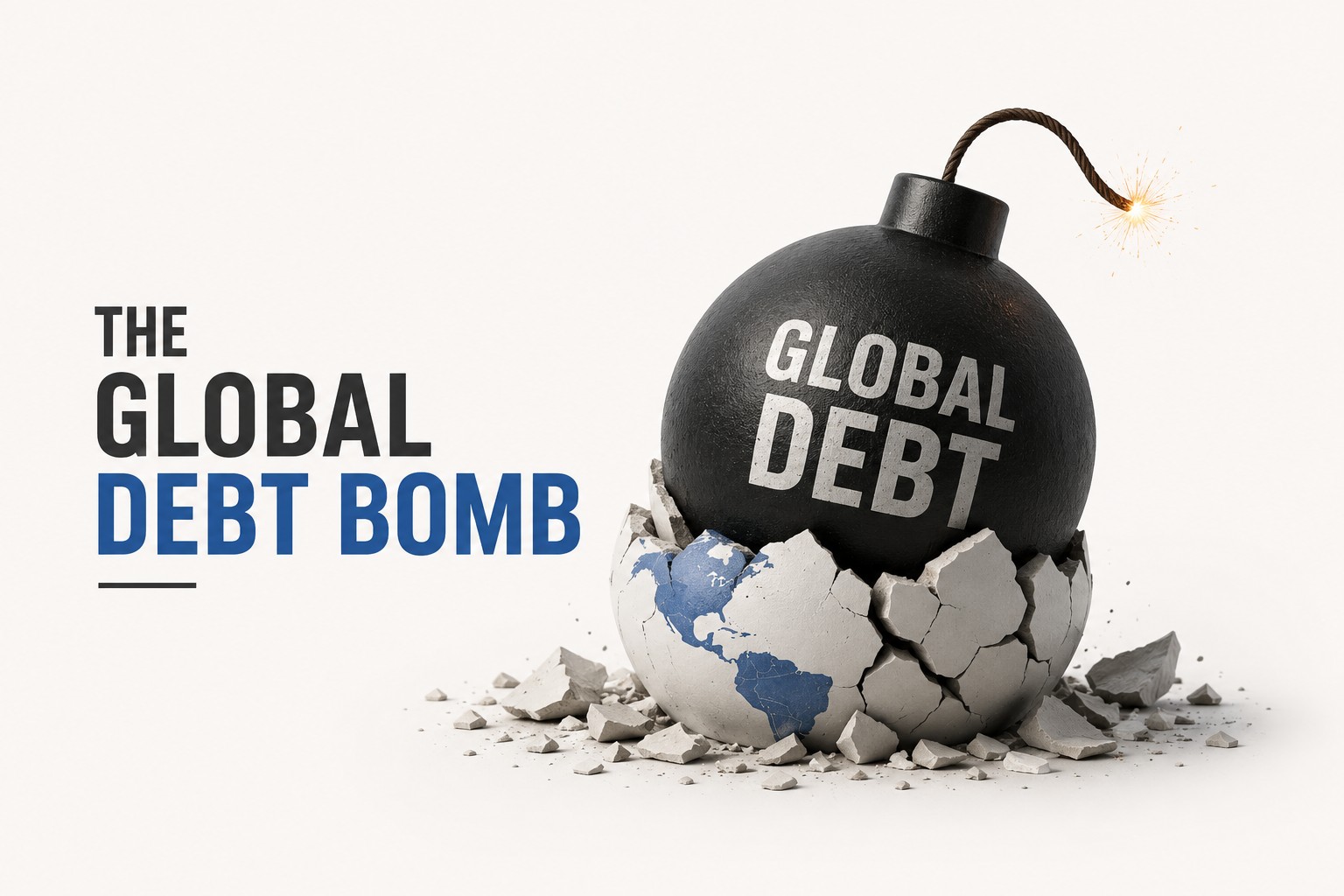
Global debt has reached historic highs, raising concerns among economists, investors, and policymakers. As governments continue borrowing to finance growth and respond to economic challenges, a critical question emerges: Is the world building resilience, or quietly laying the groundwork for the next financial crisis?
Font Size
1x
Reading time: 2 min