



Economics
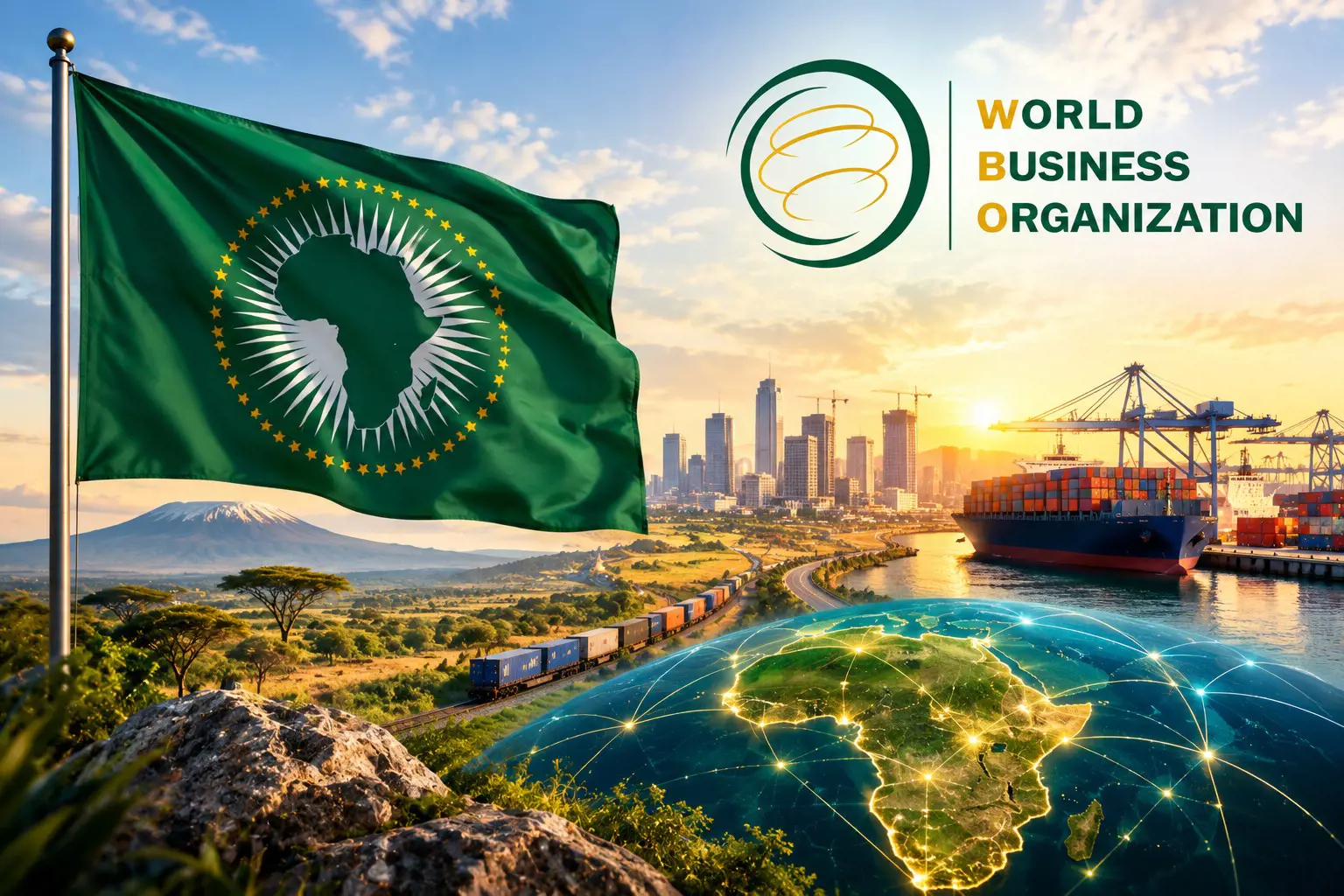
Africa’s Emerging Trade Opportunities and Strategic Risks
Africa’s expanding regional markets, natural resources, digital economy, and infrastructure needs are creating new opportunities for international trade and investment. This analysis examines the continent’s economic potential, structural vulnerabilities, and emerging trade risks while outlining how the World Business Organization can facilitate investment partnerships, strengthen commercial standards, and support Africa’s integration into the global economy.
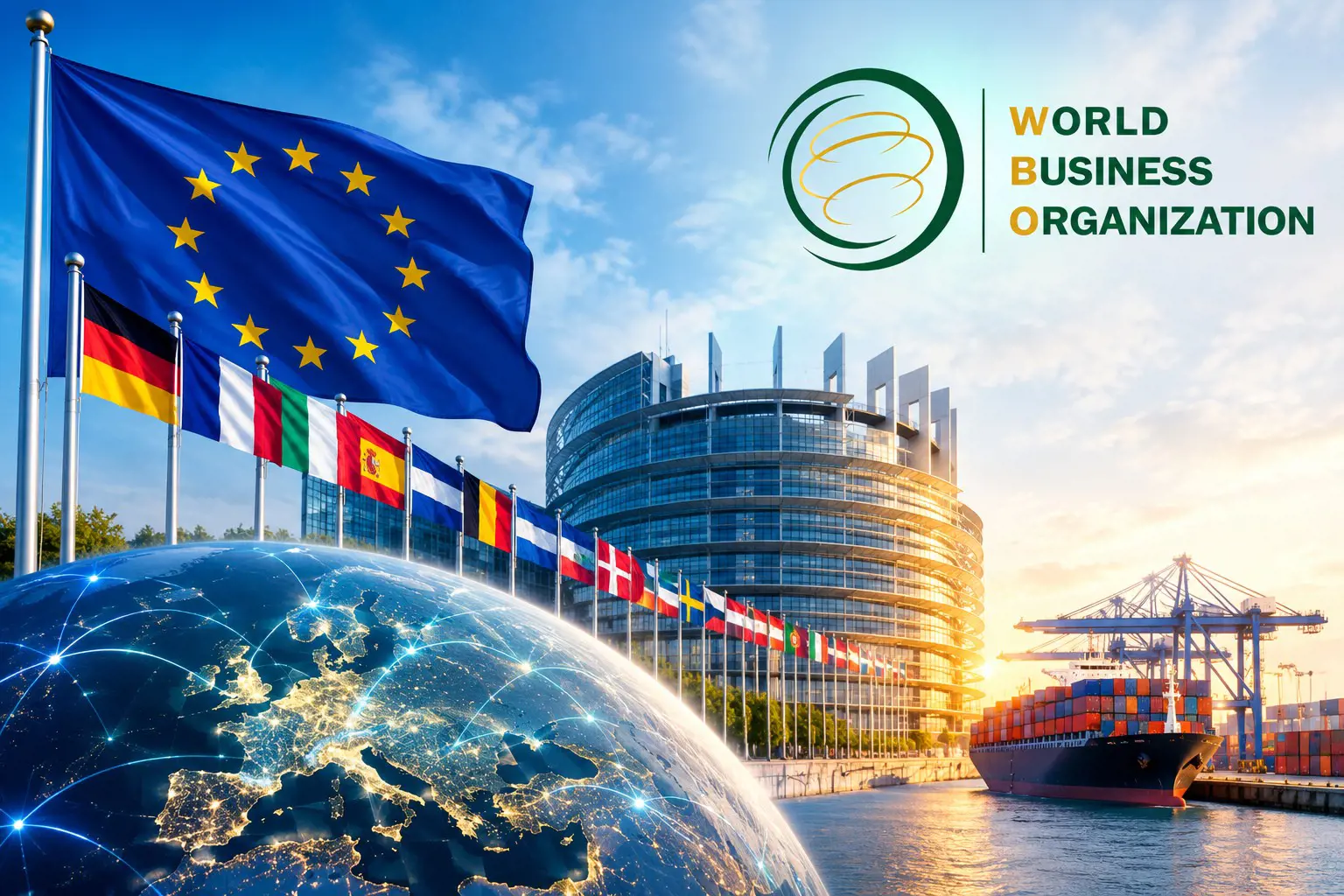
Europe and the Redefinition of Global Trade Rules
The European Union is reshaping global trade through stronger trade-defense measures, strategic supply-chain diversification, expanding trade agreements, and carbon-related import requirements. This analysis examines the implications for international commerce and outlines how the World Business Organization can help businesses navigate regulatory changes, identify emerging opportunities, and strengthen global trade cooperation.
The Federal Reserve’s Interest Rate Policy
The Federal Reserve’s interest-rate policy influences global capital flows, currency stability, trade financing, and investment decisions. This report examines how U.S. monetary policy is reshaping international economic relationships and explores how the World Business Organization (WBO) can strengthen business resilience, promote international cooperation, and help enterprises navigate an evolving global economic order.
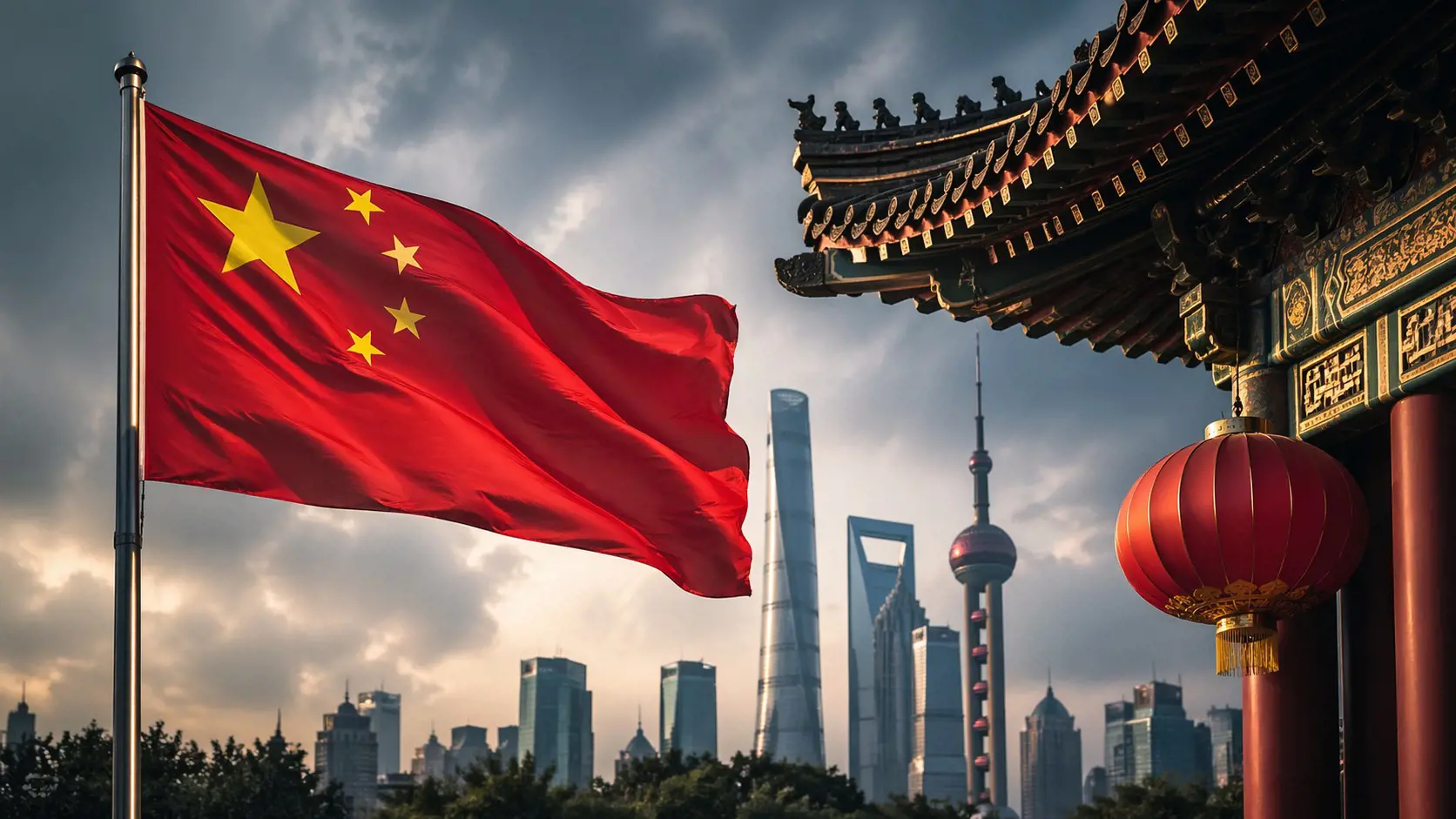
China’s New Economic and Trade Policies
China’s evolving economic and trade policies are reshaping global manufacturing, technology markets, investment flows, and international supply chains. This report examines China’s industrial strategy, recent trade and technology measures, and their implications for the emerging global economic order, while outlining how the World Business Organization (WBO) can facilitate international partnerships, market diversification, and sustainable business opportunities.
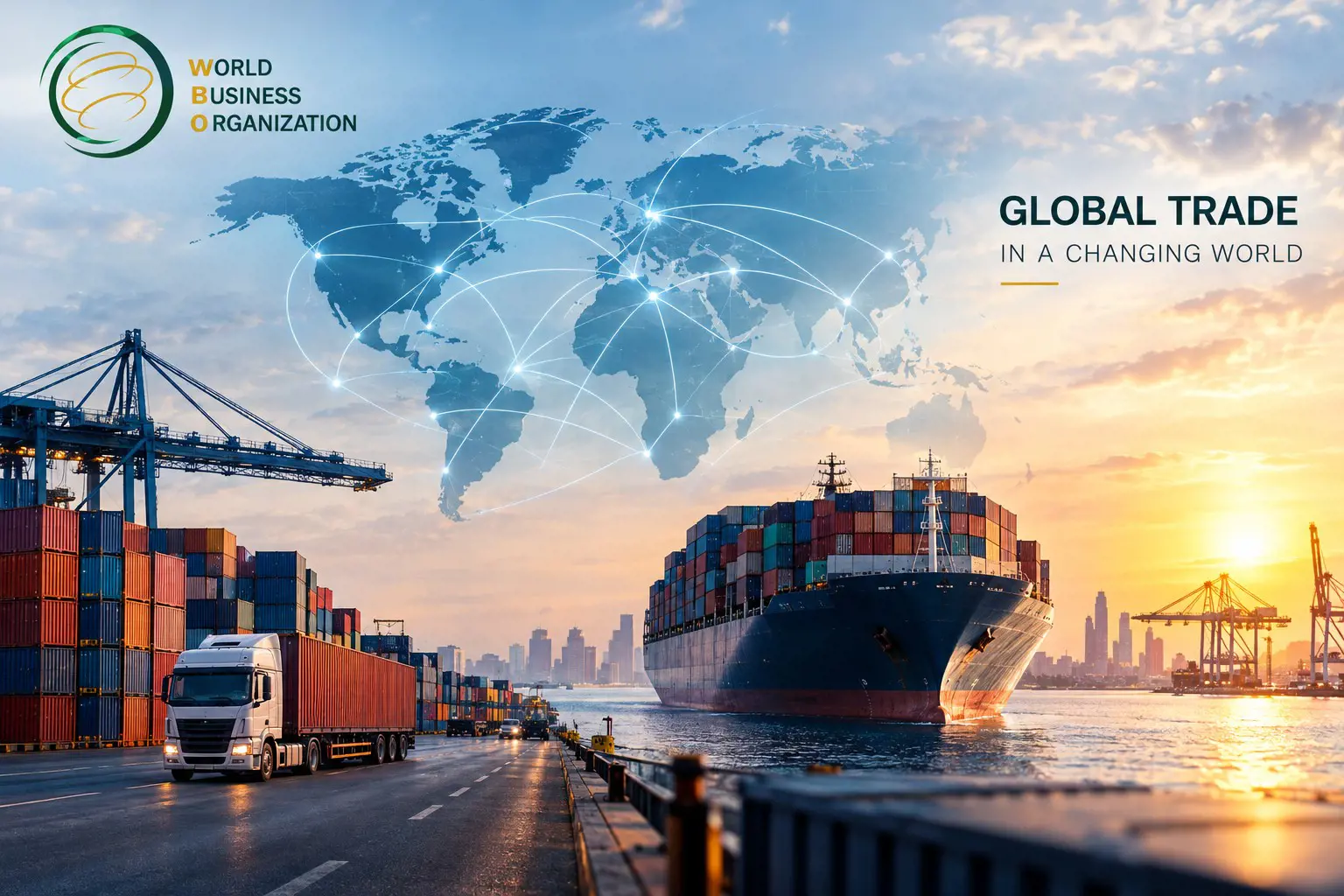
WTO Warns of Lasting Transformation in Global Trade
The World Trade Organization warns that conflicts in the Middle East and Ukraine are reshaping global trade routes, disrupting regional commerce, and accelerating corporate efforts to diversify supply chains, even as artificial intelligence-related demand supports international trade growth.
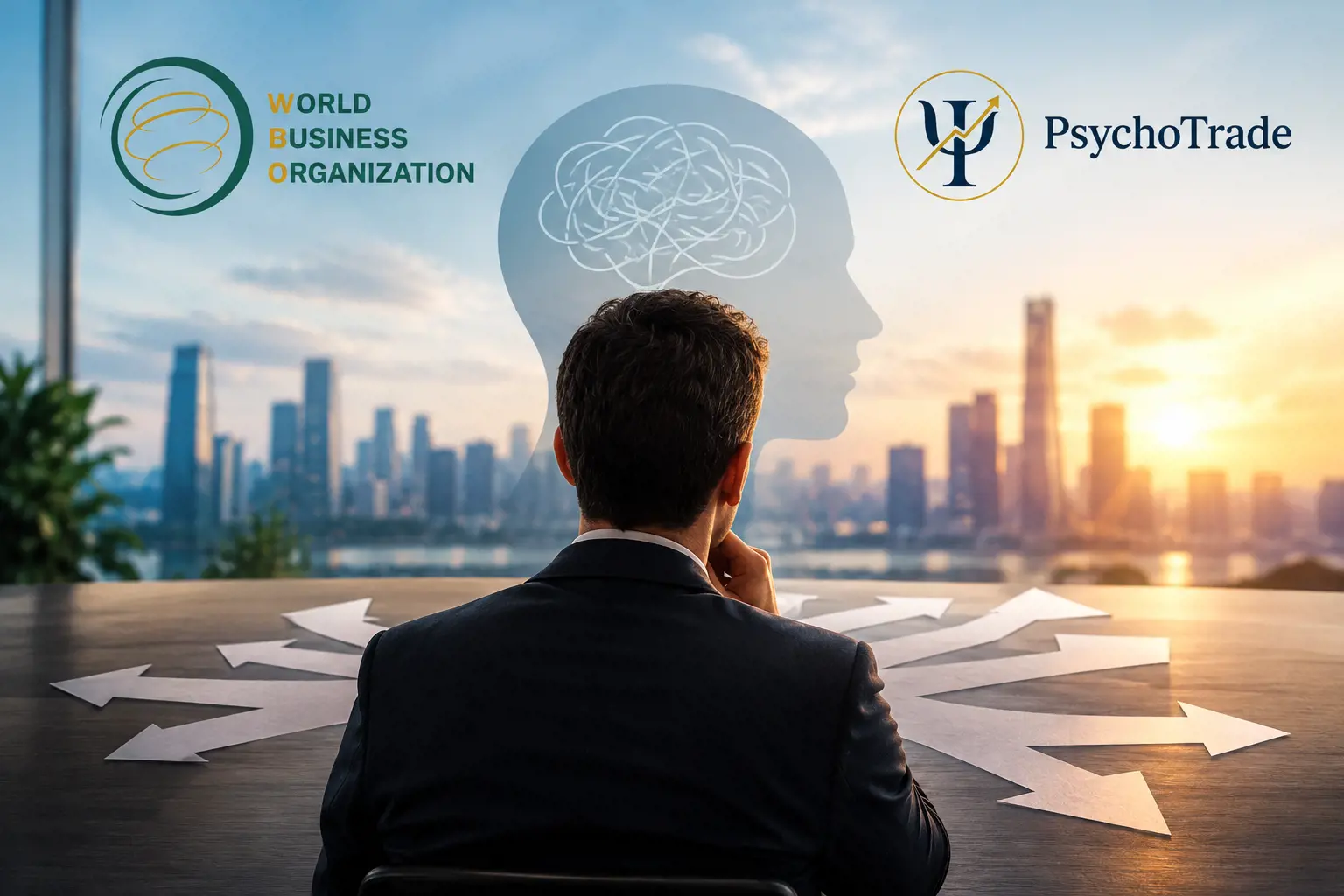
When Failure Feels Personal: The Psychology of Losing a Business
Business failure can affect more than finances; it can reshape an entrepreneur’s identity, confidence, and attitude toward risk. Discover how understanding the psychology of failure can help business owners rebuild confidence, make better decisions, and approach future opportunities with greater clarity.

When Business Owners Treat Different Money as If It Were Different Money
Business owners don’t always make financial decisions based on the economic value of money alone. This article explores mental accounting—how labels, past outcomes, and personal narratives attached to money can influence spending, investment, and risk-taking. It highlights how recognizing these psychological “accounts” can help entrepreneurs make more objective and deliberate financial decisions.

The Psychology of Economic Uncertainty
Economic uncertainty does not affect markets only through prices, interest rates, or investment flows. It also changes how individuals and organizations perceive risk, opportunity, and control. Understanding the psychological response to uncertainty is therefore essential for interpreting business behavior and market dynamics.