




Science

When Your Employees Stop Solving Problems Without Being Asked
Discover how leadership reactions, workplace culture, and fear of mistakes influence employee initiative. Learn how small business owners can encourage independent thinking, strengthen problem-solving, and reduce organizational dependence on their personal decisions.

When More Choice Makes Your Business Harder to Buy From
Discover how too many choices can overwhelm customers, increase decision difficulty, and make purchasing more challenging. Learn how simplifying your offerings can reduce uncertainty, build customer confidence, and improve the buying experience.

Why the Same Entrepreneur Takes Different Risks at Different Times
Entrepreneurs’ risk tolerance can shift over time as emotions, past experiences, perceived control, and financial circumstances change. This article explores why the same opportunity may feel different after success, loss, crisis, or rapid growth. It highlights how understanding one’s psychological state can lead to more conscious and informed risk decisions.

When Confidence Becomes a Business Risk
Confidence is essential for leadership and business decision-making, but excessive confidence can gradually transform an organizational strength into a source of risk. When success reinforces certainty, managers may underestimate uncertainty, ignore contradictory signals, and commit resources too aggressively. Understanding this psychological dynamic has become increasingly important in complex global markets.

The Psychology of Business Timing
In business, a correct decision can produce very different outcomes depending on when it is made. Timing influences how people perceive risk, opportunity, urgency, and value. This article explores why businesses sometimes succeed not because they made a different decision, but because they made it at a different moment.

Beyond Automation: The Rise of Responsible Business
As artificial intelligence makes technology-driven capabilities increasingly accessible, the next source of competitive differentiation may not be more automation, but greater trust, responsibility and human credibility.
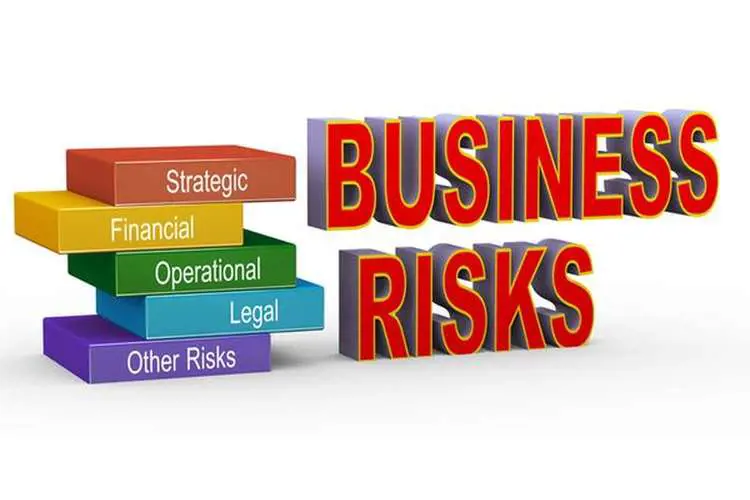
When Confidence Becomes a Business Risk
Confidence is essential for leadership, negotiation, and entrepreneurship—but excessive confidence can distort how risks and opportunities are perceived. Successful managers may become particularly vulnerable when previous achievements reinforce their belief in their own judgment. This article explores when confidence stops supporting decision-making and begins to undermine it.
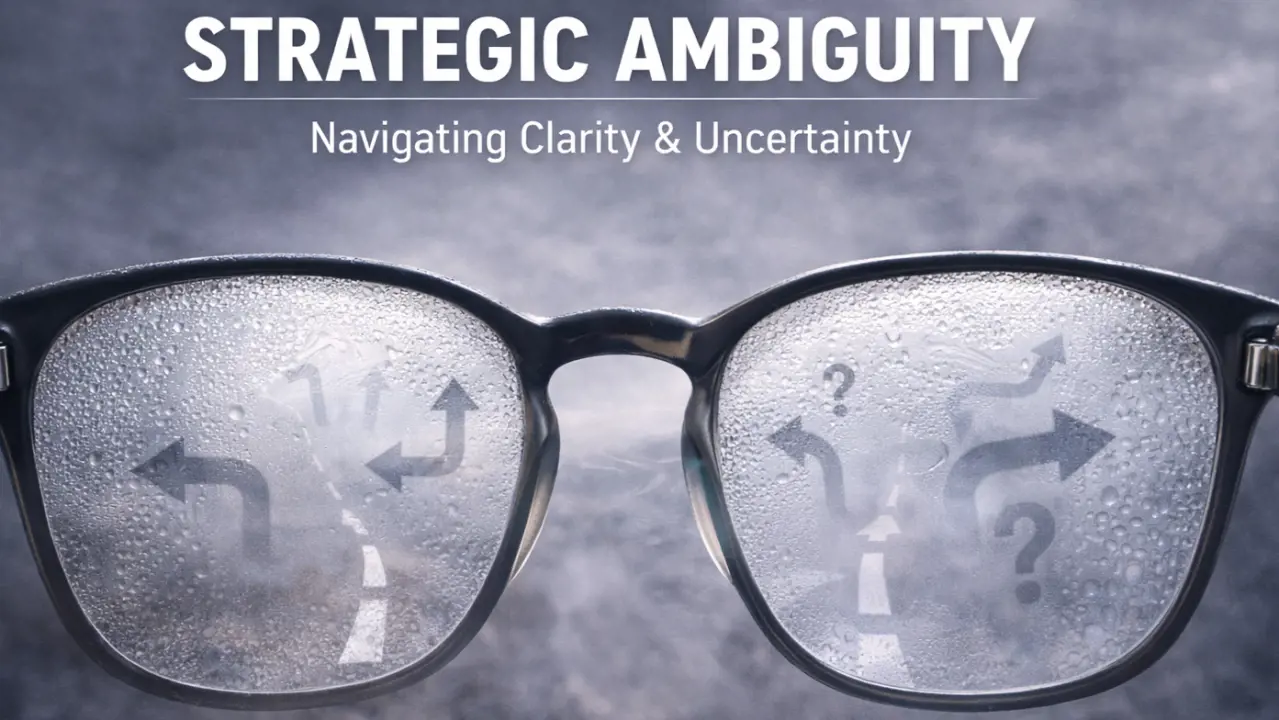
The Psychology of Strategic Ambiguity
Strategic ambiguity is not always a failure of communication. In some business environments, deliberately incomplete messages can protect flexibility, manage expectations, and prevent competitors from accurately anticipating future moves. This article explores the psychology behind ambiguity and its effects on investors, competitors, employees, and business partners.