




Science
More →
When Your Employees Stop Solving Problems Without Being Asked
Discover how leadership reactions, workplace culture, and fear of mistakes influence employee initiative. Learn how small business owners can encourage independent thinking, strengthen problem-solving, and reduce organizational dependence on their personal decisions.

When More Choice Makes Your Business Harder to Buy From
Discover how too many choices can overwhelm customers, increase decision difficulty, and make purchasing more challenging. Learn how simplifying your offerings can reduce uncertainty, build customer confidence, and improve the buying experience.
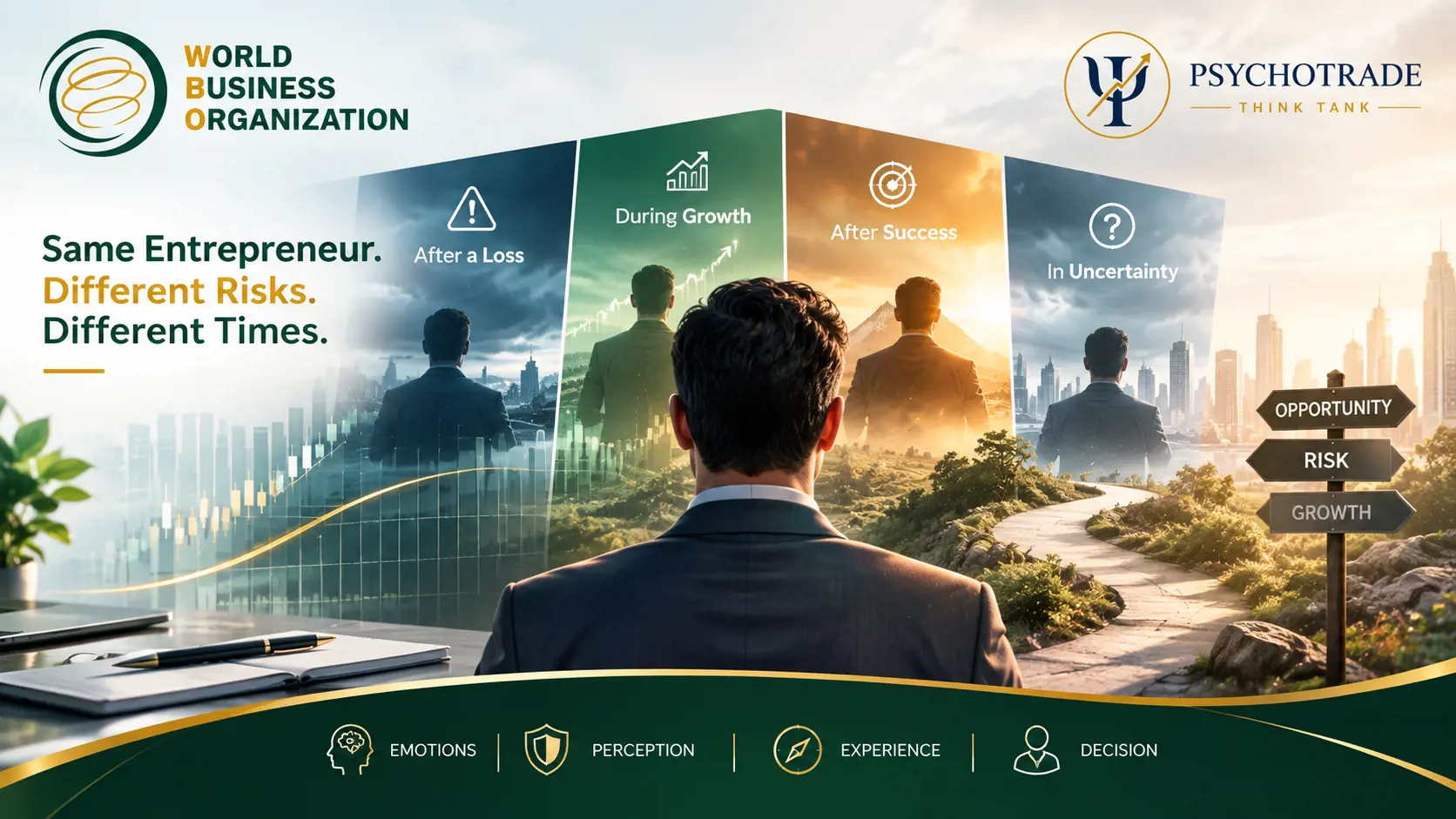
Why the Same Entrepreneur Takes Different Risks at Different Times
Entrepreneurs’ risk tolerance can shift over time as emotions, past experiences, perceived control, and financial circumstances change. This article explores why the same opportunity may feel different after success, loss, crisis, or rapid growth. It highlights how understanding one’s psychological state can lead to more conscious and informed risk decisions.

When Confidence Becomes a Business Risk
Confidence is essential for leadership and business decision-making, but excessive confidence can gradually transform an organizational strength into a source of risk. When success reinforces certainty, managers may underestimate uncertainty, ignore contradictory signals, and commit resources too aggressively. Understanding this psychological dynamic has become increasingly important in complex global markets.
Culture
More →
The Decline of Business Ethics
Growing concerns over excessive pricing, misleading sustainability claims, and pressure to compromise professional integrity are raising fundamental questions about the future of business ethics and the balance between profitability and social responsibility.

The AI Paradox for SMEs
AI can make SMEs more efficient while weakening independent managerial judgment. Discover how human knowledge, cognitive resilience, and the ability to challenge AI can protect decision quality, preserve strategic differentiation, and strengthen long-term competitiveness.
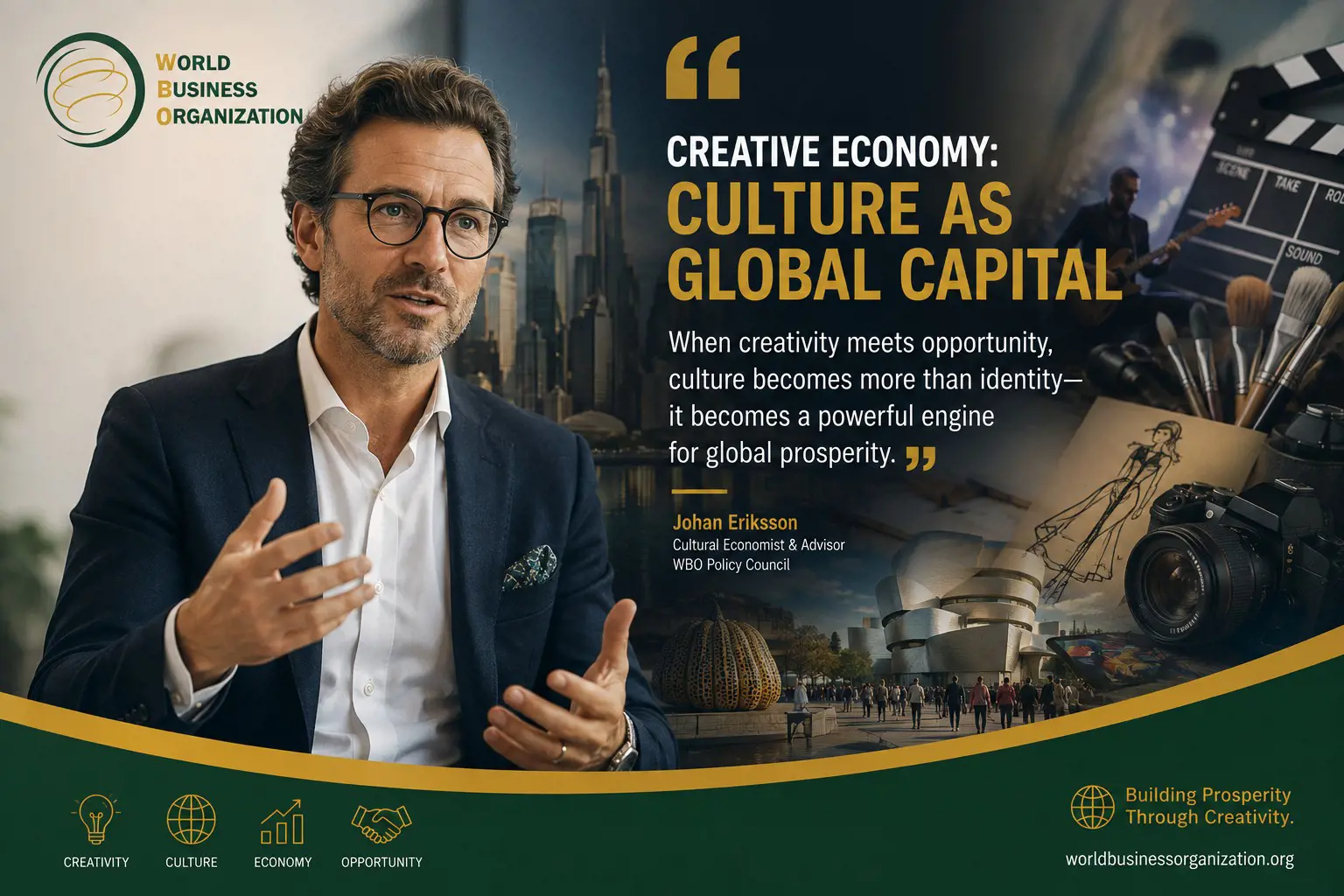
Creative Economy: Culture as Global Capital
Creative industries are emerging as one of the world's fastest-growing economic sectors, transforming culture into a strategic asset that drives innovation, trade, investment, and sustainable development.
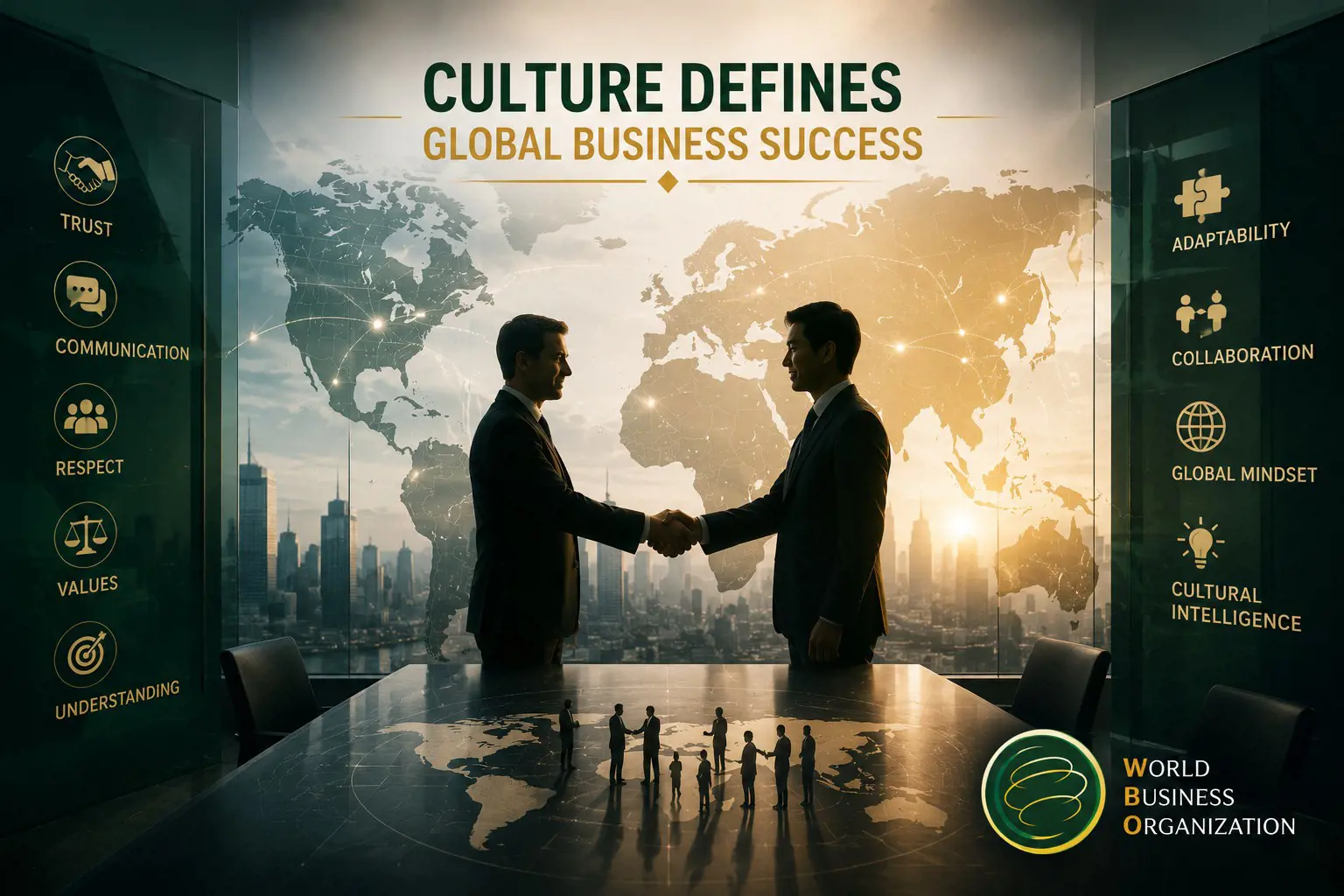
Culture Defines Global Business Success
In today's interconnected economy, understanding cultural differences is no longer a soft skill—it is a strategic business advantage. This article explores how cultural intelligence (CQ) shapes trust, negotiations, and international partnerships, making it one of the most critical drivers of global business success.
Notice
More →
Notice: The Deepfake Executive Trap
How AI-generated voices, video calls, and impersonated executives are creating a new generation of international trade fraud—and how companies can verify who is really behind the deal.
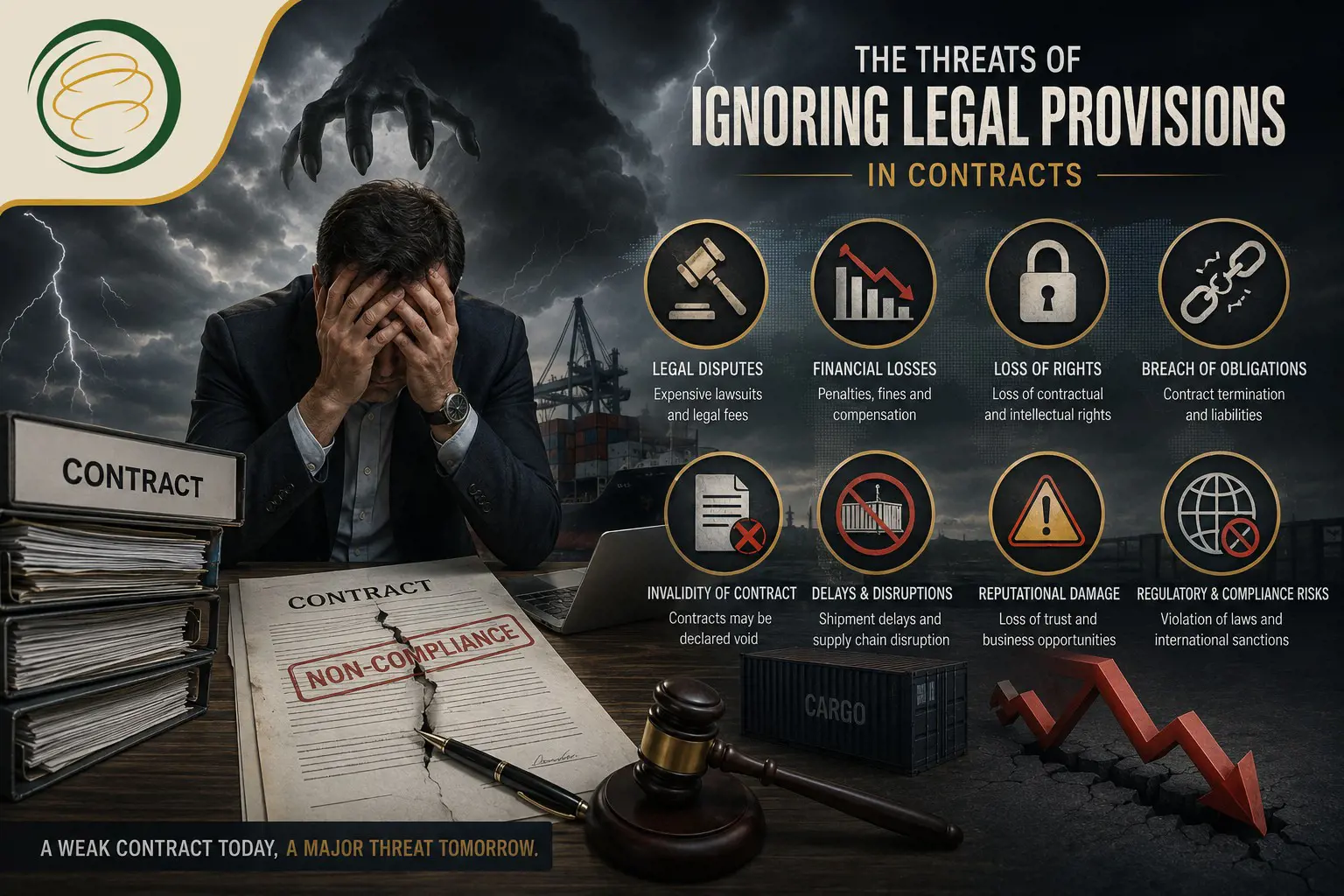
Notice: How Traders Can Be Misled by the Fine Print
In international trade, not every scam begins with a fake company, a forged document, or a vanished business partner. Sometimes, the most dangerous trap is hidden in a document that looks completely legitimate: the contract itself.
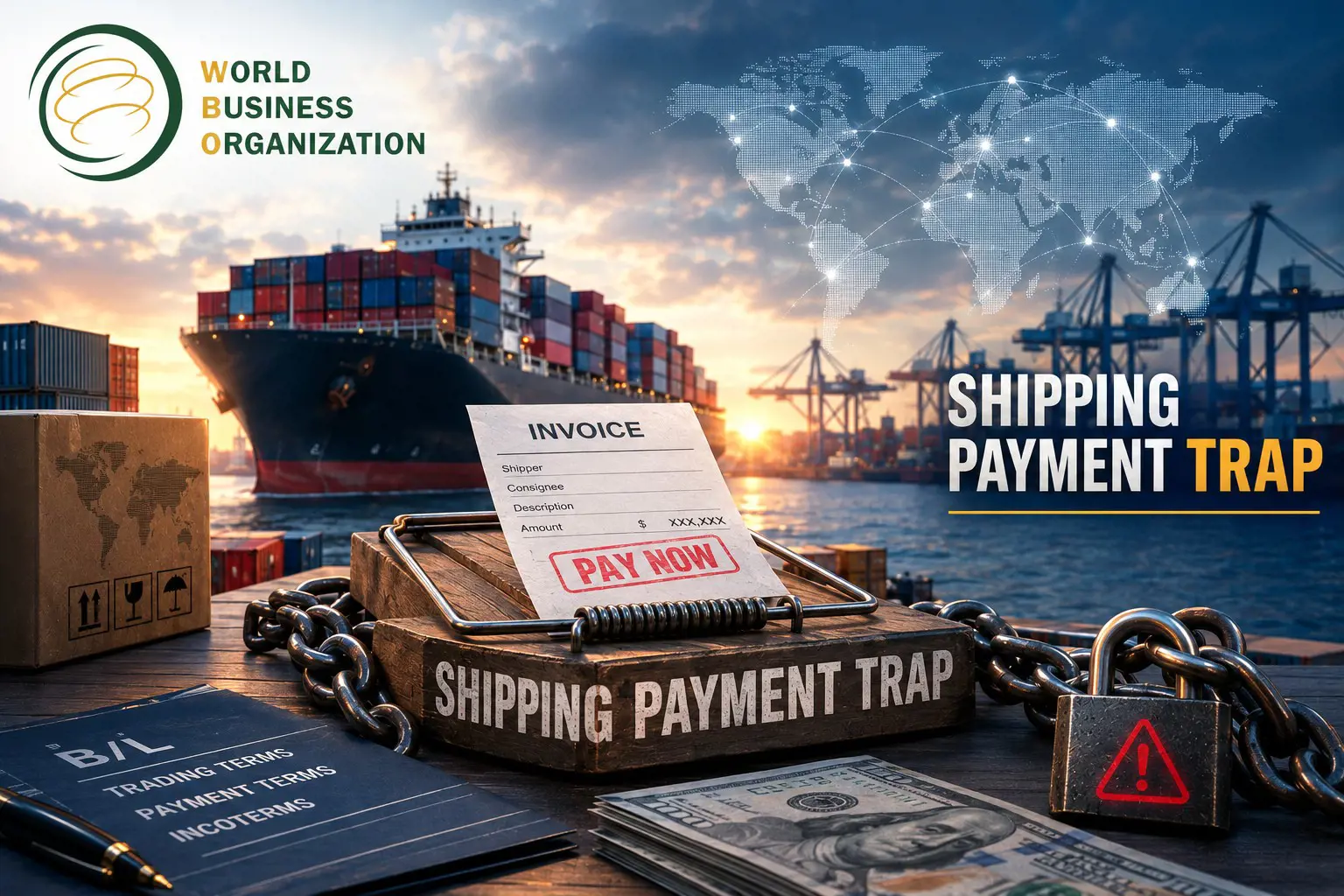
Threats Lurking: The Shipping Payment Trap
How fraudsters manipulate shipping and freight payment instructions—and the practical controls traders can use to verify payment changes and protect their funds.
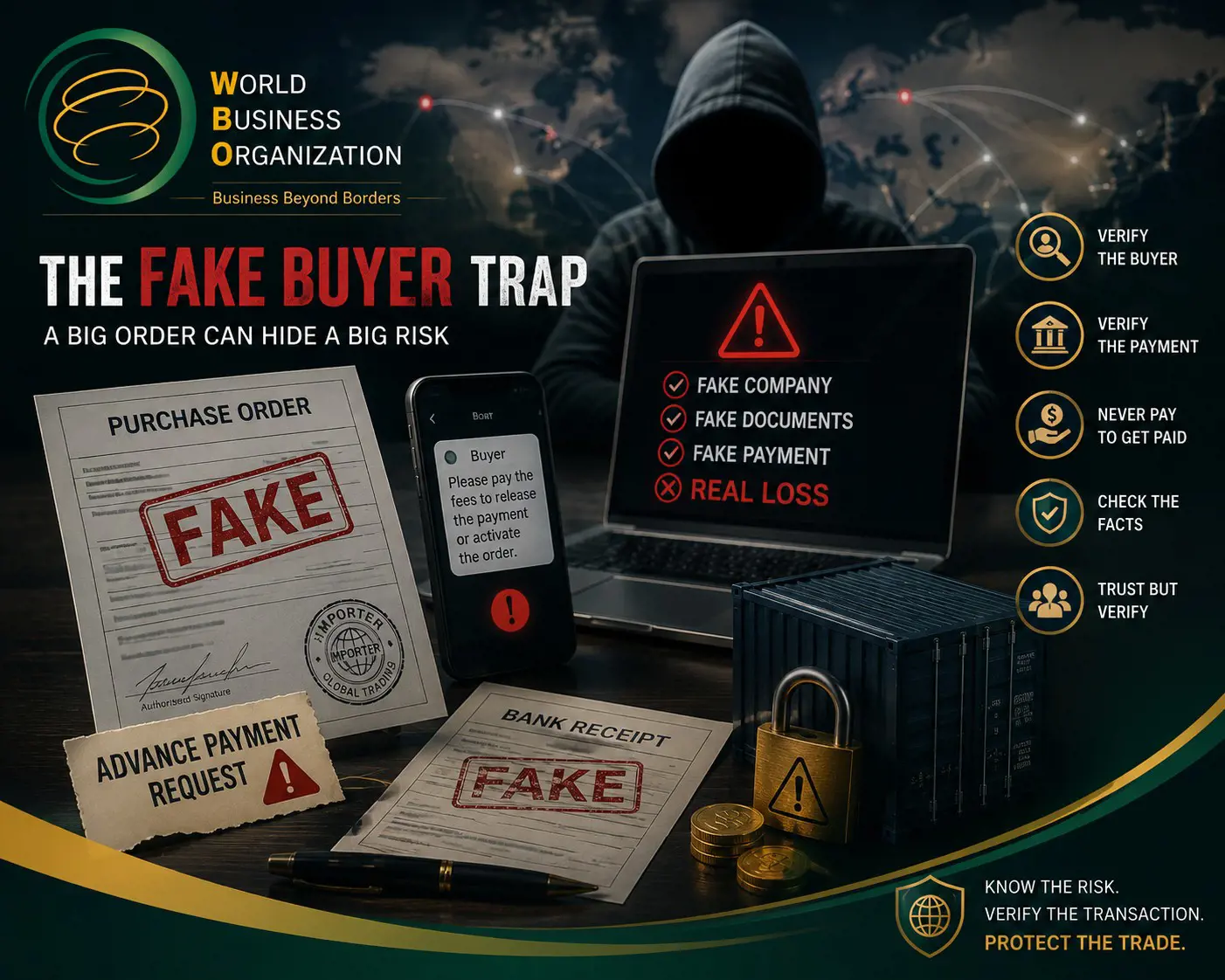
Notice: The Fake Buyer Trap in Trade
The Fake Buyer Trap in Trade Short Description: How fraudulent buyers use fake orders, payment confirmations, and upfront-fee schemes to deceive international traders, and how to detect the warning signs.