




Central Asia: The World's Next Investment Frontier
For decades, Central Asia remained overshadowed by larger economic powers, often recognized more for its geography than its economic potential. Today, that narrative is changing rapidly. Stretching between Europe and Asia, the region is emerging as a critical gateway for global trade, energy security, logistics, and industrial investment.
The growing interest is no coincidence. As multinational companies seek to diversify supply chains, reduce geopolitical risks, and access new markets, Central Asia has become increasingly attractive. Countries such as Kazakhstan, Uzbekistan, Kyrgyzstan, Tajikistan, and Turkmenistan are implementing economic reforms, improving investment regulations, and expanding cooperation with international partners.
The region's greatest advantage lies in its strategic position. Situated along major international transport corridors, Central Asia is becoming an essential link between East and West. Investments in railways, highways, dry ports, logistics centers, and digital connectivity are gradually transforming the region into a vital hub for international commerce.
Natural resources continue to be another major driver of investment. Central Asia possesses significant reserves of oil, natural gas, uranium, copper, gold, and a growing portfolio of critical minerals essential for electric vehicles, renewable energy technologies, and advanced manufacturing. As the global economy accelerates its transition toward clean energy, these resources are becoming increasingly valuable.
However, the region's future will not be determined by natural resources alone. Governments are placing greater emphasis on industrial diversification, digital transformation, renewable energy, agriculture, tourism, and innovation-driven growth. The objective is to build resilient economies capable of competing far beyond commodity exports.
International investors are also recognizing another important advantage: a young workforce, expanding domestic markets, and relatively competitive operating costs compared to many established investment destinations. Combined with improving infrastructure and expanding regional cooperation, these factors are strengthening Central Asia's long-term investment appeal.
Nevertheless, challenges remain. Regulatory consistency, legal transparency, financial sector modernization, and cross-border coordination continue to require significant improvement. Sustainable economic growth will depend not only on attracting foreign capital but also on strengthening institutions, supporting entrepreneurship, and creating predictable business environments.
Perhaps the most remarkable transformation is psychological. Central Asia is no longer positioning itself as a region waiting for investment. Instead, it is increasingly presenting itself as a strategic partner in shaping the future of global trade, energy, manufacturing, and innovation.
The next decade may determine whether Central Asia becomes another emerging market—or evolves into one of the world's most influential economic corridors.
For global investors, the question is no longer whether Central Asia has potential.
The question is whether they are prepared to recognize its opportunity before everyone else does.
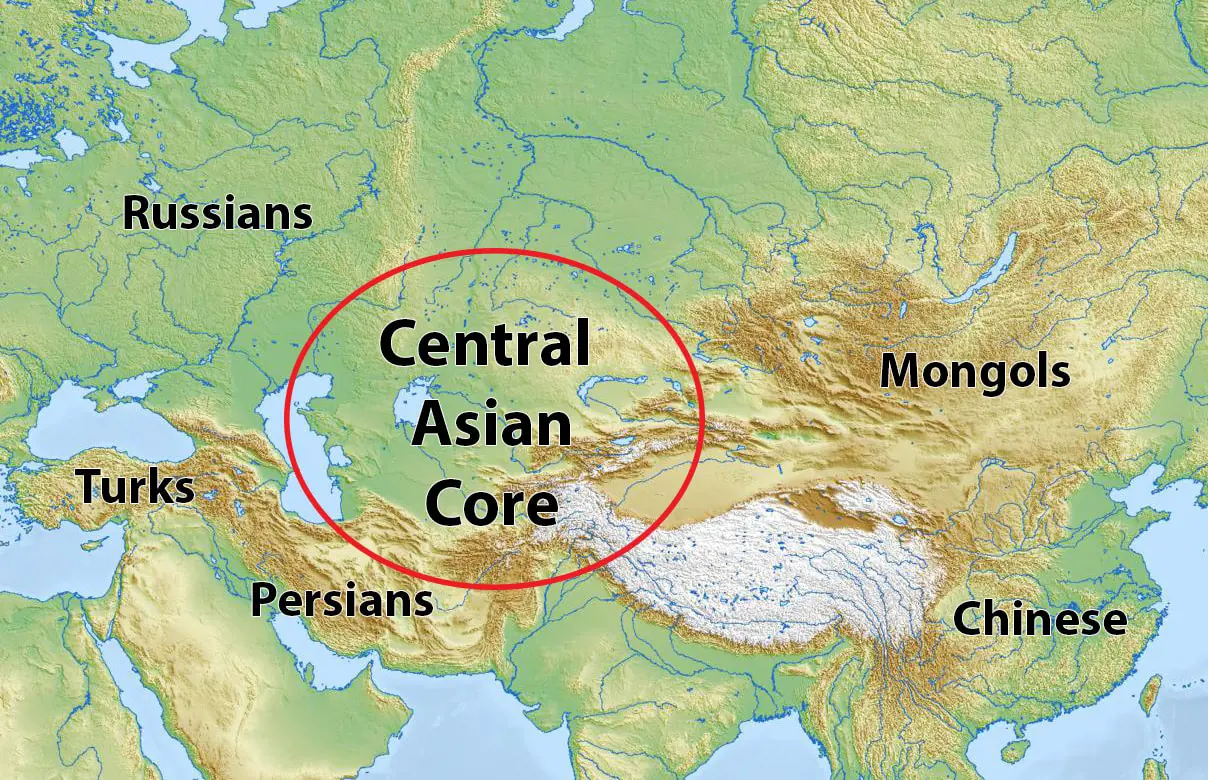
Once viewed primarily as a strategic transit region, Central Asia is rapidly transforming into one of the world's most promising investment destinations. With abundant natural resources, expanding infrastructure, and growing regional cooperation, the region is attracting unprecedented global attention.
Font Size
1x
Reading time: 3 min