




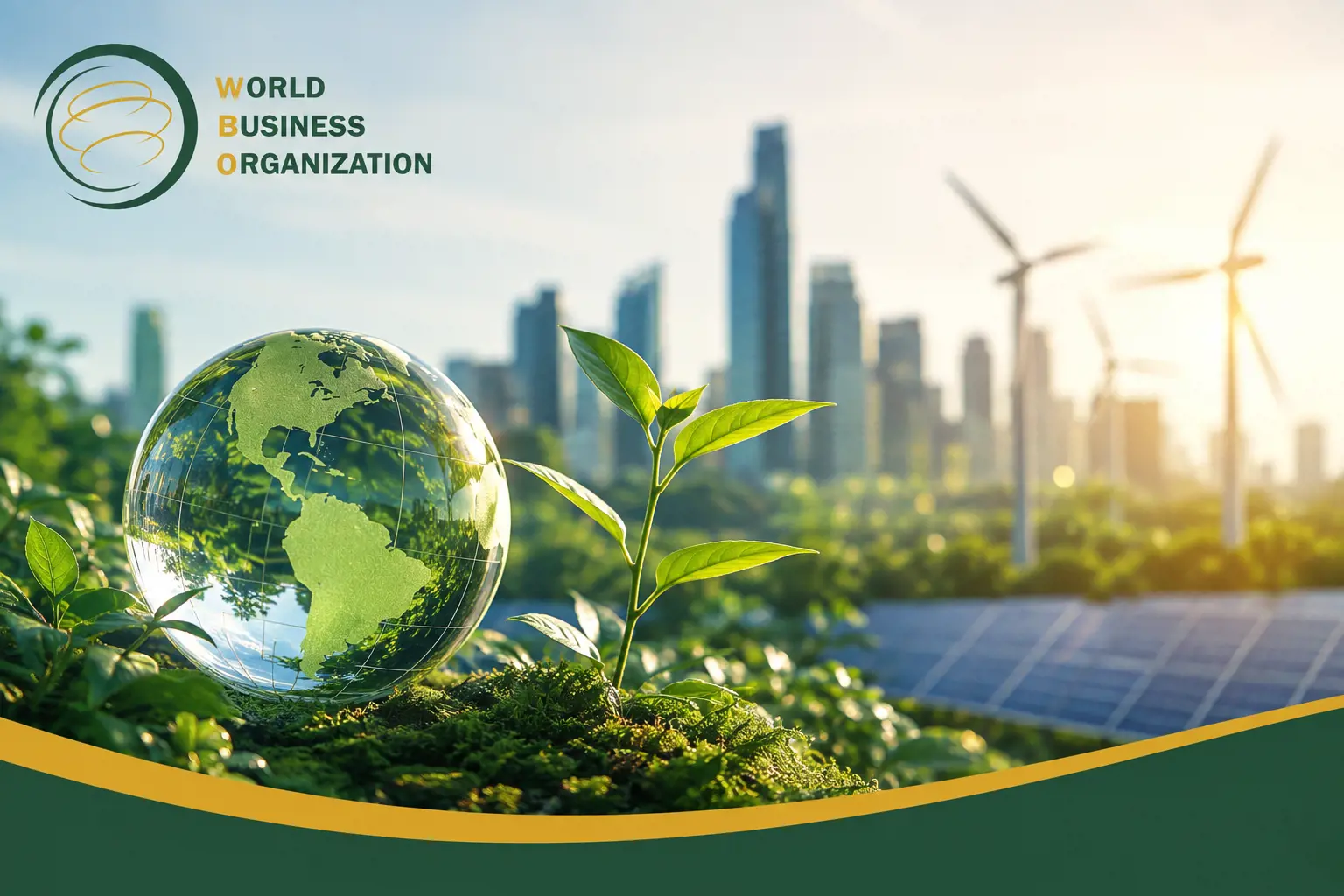
Green Economy Takes Center Stage as Climate Policies Reshape Global Trade
The global economy is entering a transformative era as climate policies increasingly influence investment strategies, industrial development, and international trade. From carbon pricing mechanisms to renewable energy expansion, governments are adopting ambitious measures designed to reduce greenhouse gas emissions while strengthening long-term economic resilience.
Over the past decade, sustainability has evolved from a corporate responsibility initiative into a strategic economic priority. Major economies are directing unprecedented levels of investment toward clean energy infrastructure, electric mobility, hydrogen technologies, and circular manufacturing systems. These initiatives are not only intended to address climate change but also to stimulate innovation, create high-quality jobs, and reduce dependence on fossil fuels.
Businesses are responding rapidly to this policy shift. Companies across manufacturing, logistics, agriculture, and finance are integrating Environmental, Social, and Governance (ESG) principles into their long-term strategies. Investors are increasingly evaluating climate risks alongside traditional financial indicators, making sustainability a critical factor in capital allocation.
International trade is also adapting to the new reality. Carbon border adjustment mechanisms, sustainable supply chain requirements, and green certification standards are becoming influential components of market access. Exporters that invest in cleaner production methods are expected to gain stronger competitive advantages as environmental regulations continue to evolve.
However, the transition presents significant challenges. Developing economies face the dual responsibility of sustaining economic growth while investing in cleaner technologies. Access to green finance, technology transfer, and international cooperation will remain essential to ensuring that climate action contributes to inclusive global development rather than widening economic disparities.
Experts emphasize that successful climate policies must balance environmental objectives with economic competitiveness. Public-private partnerships, innovation ecosystems, and international collaboration will play decisive roles in accelerating the transition toward sustainable growth.
As global markets continue to evolve, the green economy is no longer viewed as a future aspiration; it is becoming a fundamental pillar of modern economic strategy. Nations and businesses that embrace sustainability, technological innovation, and resilient trade practices are expected to be best positioned for long-term prosperity in an increasingly climate-conscious world.
Prepared for publication by WBO Times.