




Culture

The Decline of Business Ethics
Growing concerns over excessive pricing, misleading sustainability claims, and pressure to compromise professional integrity are raising fundamental questions about the future of business ethics and the balance between profitability and social responsibility.

The AI Paradox for SMEs
AI can make SMEs more efficient while weakening independent managerial judgment. Discover how human knowledge, cognitive resilience, and the ability to challenge AI can protect decision quality, preserve strategic differentiation, and strengthen long-term competitiveness.
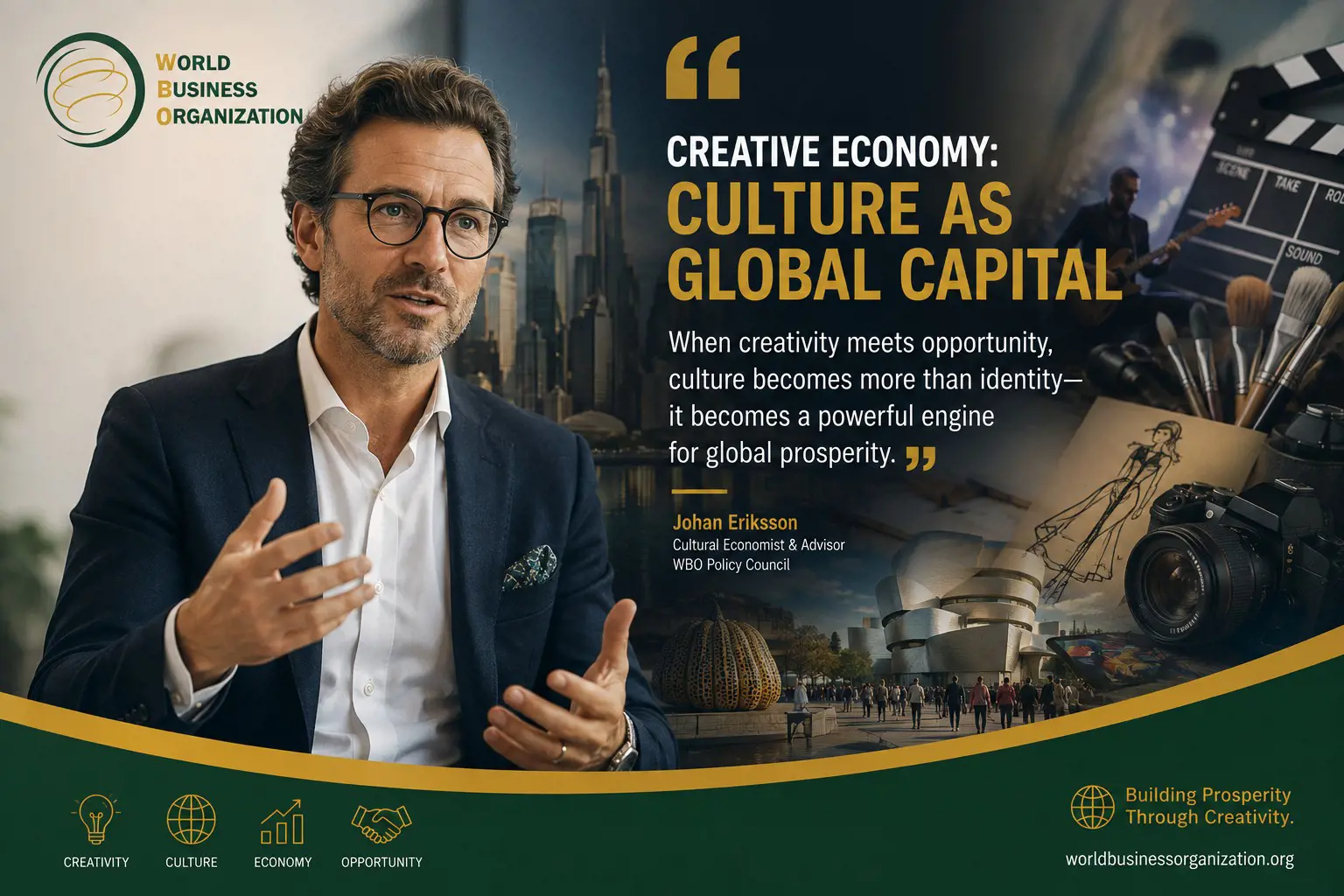
Creative Economy: Culture as Global Capital
Creative industries are emerging as one of the world's fastest-growing economic sectors, transforming culture into a strategic asset that drives innovation, trade, investment, and sustainable development.
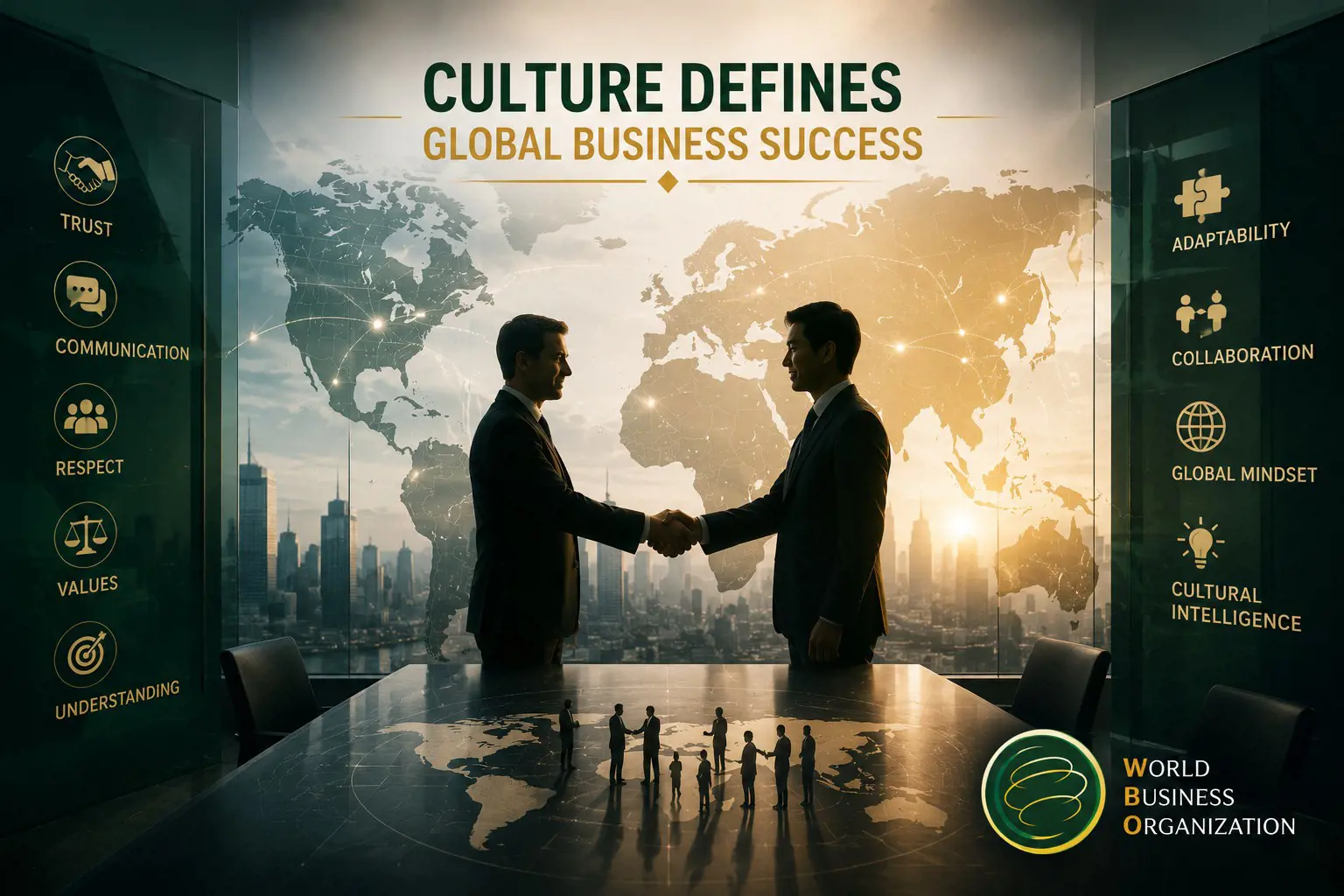
Culture Defines Global Business Success
In today's interconnected economy, understanding cultural differences is no longer a soft skill—it is a strategic business advantage. This article explores how cultural intelligence (CQ) shapes trust, negotiations, and international partnerships, making it one of the most critical drivers of global business success.

Culture Is Economic Capital Today
Culture is more than a social identity, it is a powerful economic resource that shapes trust, innovation, and international business success. This article explores why cultural intelligence is becoming one of the most valuable competitive advantages in the global economy and the age of artificial intelligence.
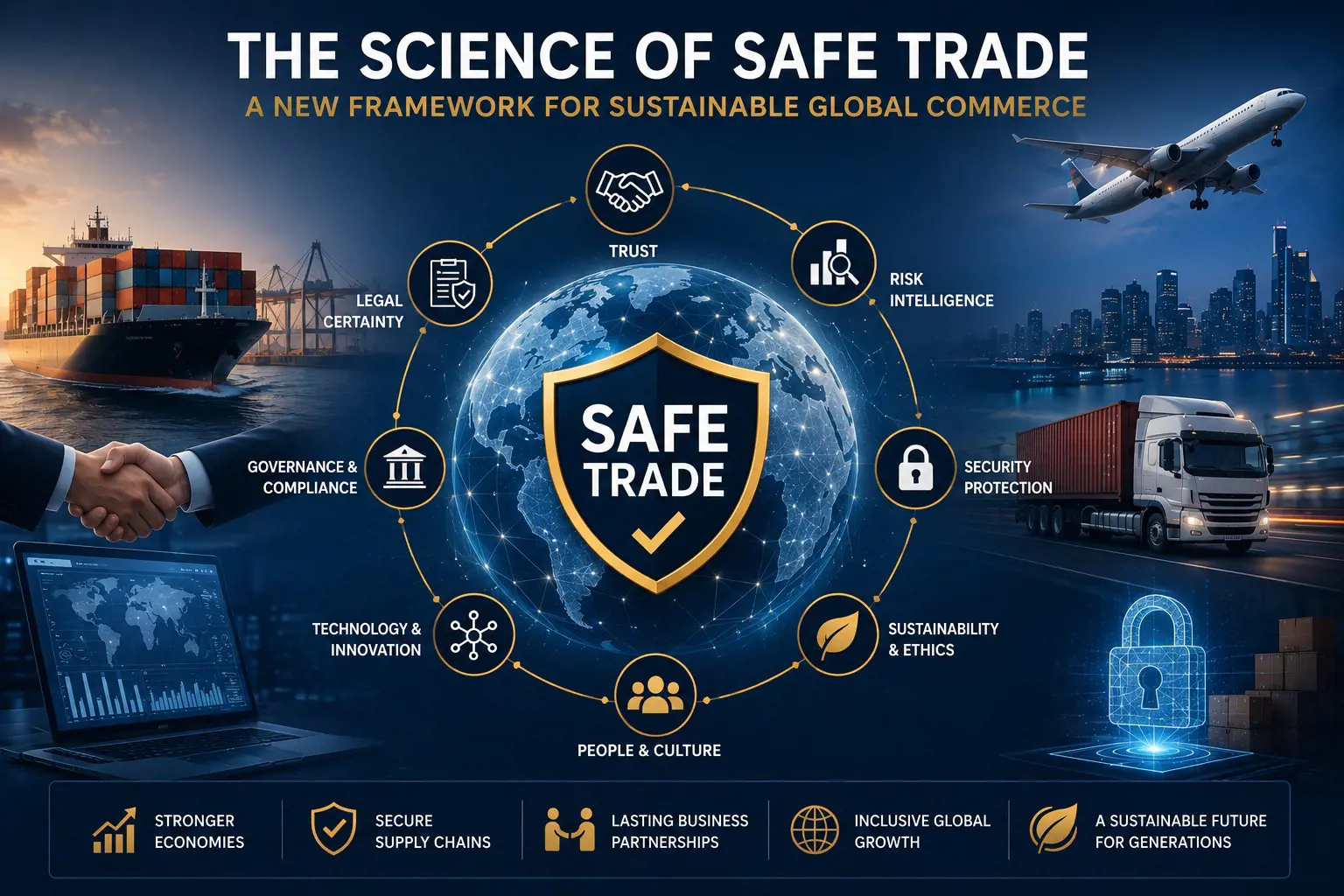
The Science of Safe Trade
In an increasingly uncertain global economy, commercial success depends on more than competitive pricing or market access. Safe Trade is emerging as a comprehensive framework that integrates trust, governance, legal compliance, risk intelligence, and technological resilience to build secure, sustainable, and internationally trusted business relationships.

Relationship-Based vs Contract-Based Trade
In global trade, contracts do not carry the same weight everywhere. While some economies rely primarily on legal frameworks and written agreements, others place greater importance on personal relationships, reputation, and long-term trust. Understanding this distinction is often the difference between a successful international partnership and a failed negotiation.
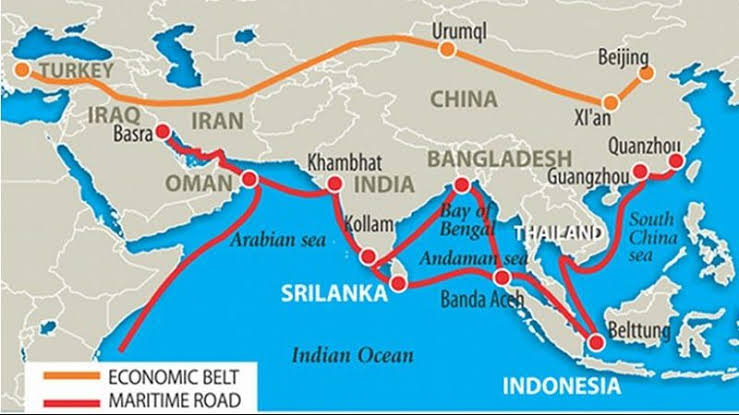
The Cultural Geography of Global Trade
Global trade is not shaped by economics and logistics alone. Behind every major trade corridor lies a deeper cultural geography built upon shared histories, languages, values, trust networks, and social connections. Understanding these cultural foundations allows businesses to identify opportunities, reduce market-entry risks, and build stronger international partnerships.