



One Day, One Leader
More →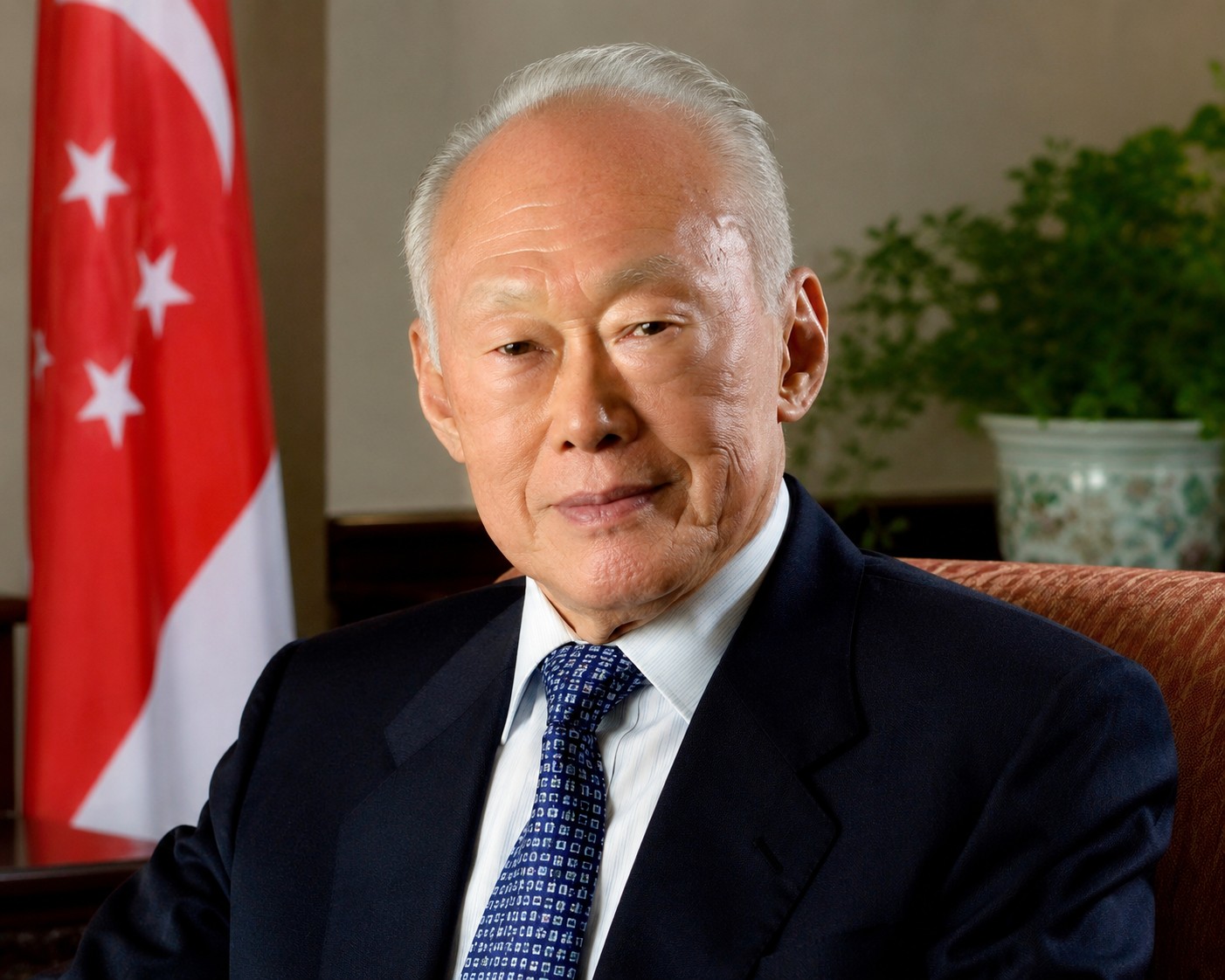
Lee Kuan Yew / Preparing Nations for Tomorrow
In this exclusive interview, Lee Kuan Yew explores the foundations of national success in an era defined by technological disruption, geopolitical competition, and rapid economic transformation. Drawing on the principles that shaped Singapore's rise, he reflects on leadership, governance, artificial intelligence, globalization, and the challenges facing nations in the twenty-first century.
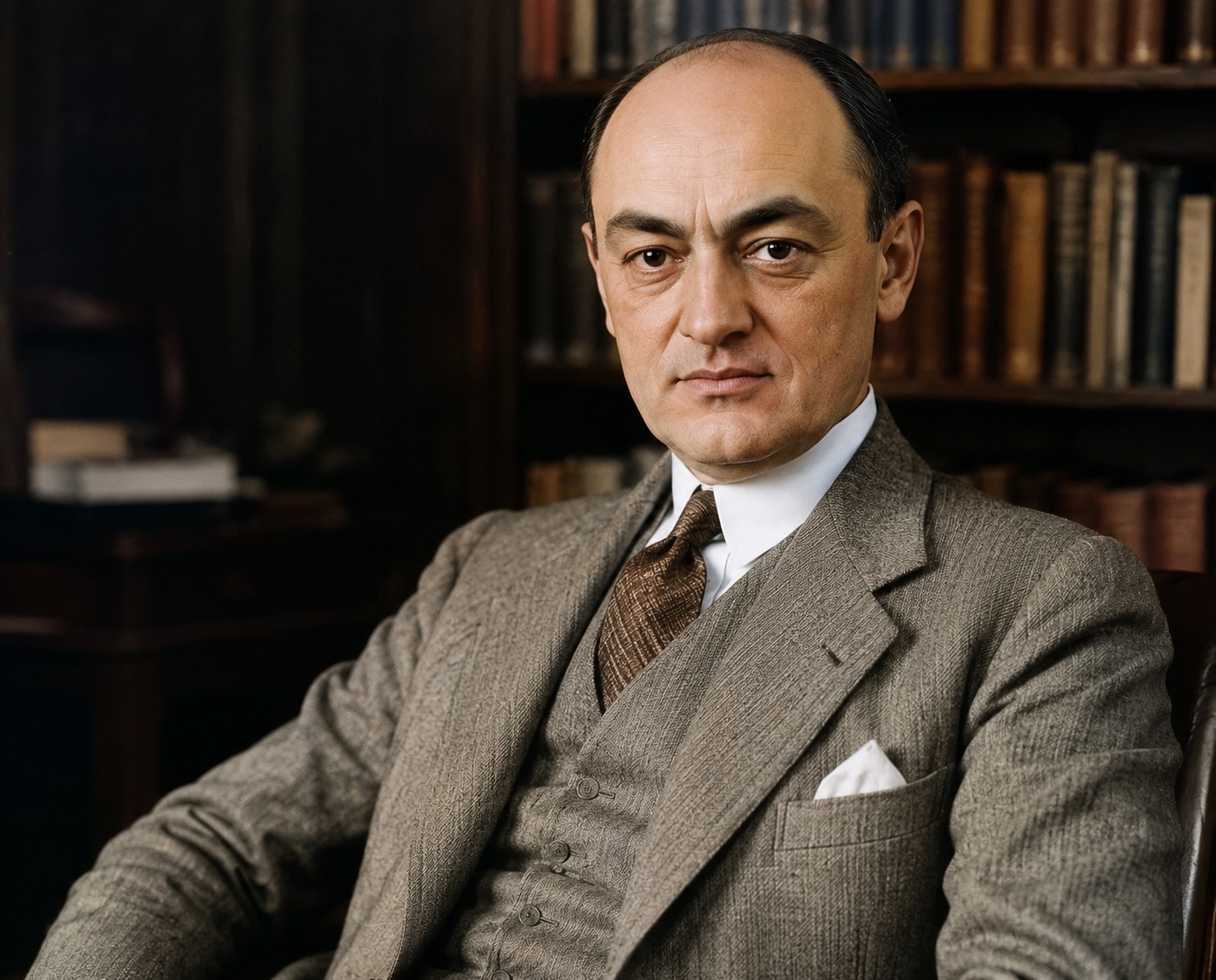
J. Schumpeter / The Age of Creative Destruction
In this exclusive interview, Joseph Schumpeter explores the forces shaping the future of capitalism, from innovation, entrepreneurship, and creative destruction to artificial intelligence, digital monopolies, and global economic transformation. Through the lens of one of history's most influential thinkers on innovation, this conversation examines why the future belongs not to those who preserve the status quo, but to those who create what comes next.

J.M Keynes / The Economics of Stability
In this exclusive interview, John Maynard Keynes revisits the defining economic challenges of the modern era, from financial crises, public debt, and inflation to inequality, artificial intelligence, and the future of capitalism. Through the lens of one of the twentieth century’s most influential economists, this conversation explores the delicate balance between markets, government, and economic stability in an increasingly complex world.
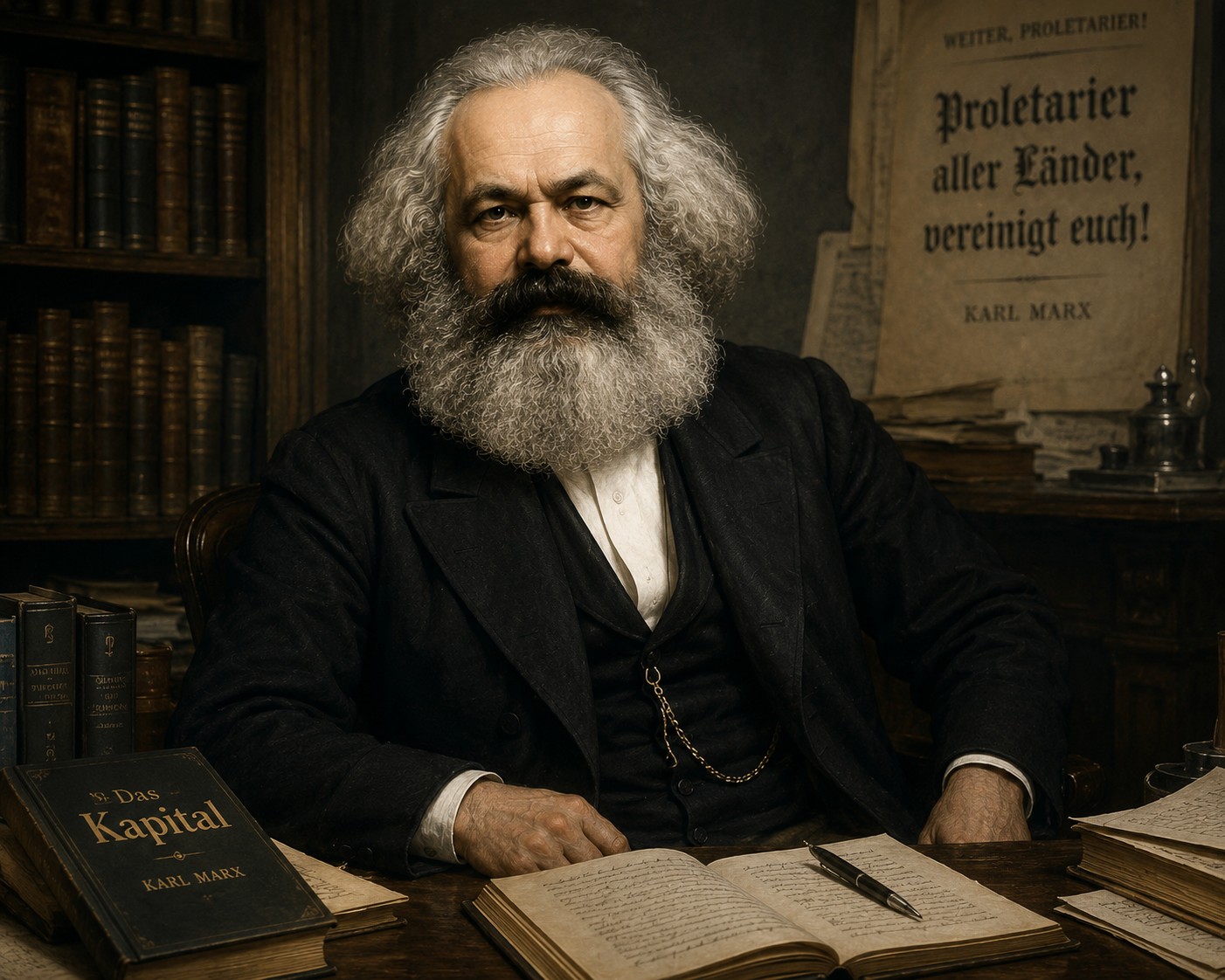
Karl Marx / Who Owns the Future
In this exclusive interview, Karl Marx revisits the defining economic and social challenges of the modern world—from inequality, concentrated wealth, and corporate power to artificial intelligence, digital capitalism, and the future of work. Through the lens of one of history’s most influential critics of capitalism, this conversation explores whether the fundamental questions of ownership, power, and economic justice remain as relevant today as they were in the nineteenth century.
Economics
More →
Africa’s Emerging Trade Opportunities and Strategic Risks
Africa’s expanding regional markets, natural resources, digital economy, and infrastructure needs are creating new opportunities for international trade and investment. This analysis examines the continent’s economic potential, structural vulnerabilities, and emerging trade risks while outlining how the World Business Organization can facilitate investment partnerships, strengthen commercial standards, and support Africa’s integration into the global economy.
Europe and the Redefinition of Global Trade Rules
The European Union is reshaping global trade through stronger trade-defense measures, strategic supply-chain diversification, expanding trade agreements, and carbon-related import requirements. This analysis examines the implications for international commerce and outlines how the World Business Organization can help businesses navigate regulatory changes, identify emerging opportunities, and strengthen global trade cooperation.
The Federal Reserve’s Interest Rate Policy
The Federal Reserve’s interest-rate policy influences global capital flows, currency stability, trade financing, and investment decisions. This report examines how U.S. monetary policy is reshaping international economic relationships and explores how the World Business Organization (WBO) can strengthen business resilience, promote international cooperation, and help enterprises navigate an evolving global economic order.
China’s New Economic and Trade Policies
China’s evolving economic and trade policies are reshaping global manufacturing, technology markets, investment flows, and international supply chains. This report examines China’s industrial strategy, recent trade and technology measures, and their implications for the emerging global economic order, while outlining how the World Business Organization (WBO) can facilitate international partnerships, market diversification, and sustainable business opportunities.
Politics
More →
New U.S. Trade Policies
U.S. tariff policies and evolving trade restrictions are reshaping global markets, increasing economic uncertainty, and transforming international supply chains. This report examines the implications for global commerce and outlines how the World Business Organization (WBO) can help businesses strengthen international cooperation, diversify markets, and manage emerging trade risks.
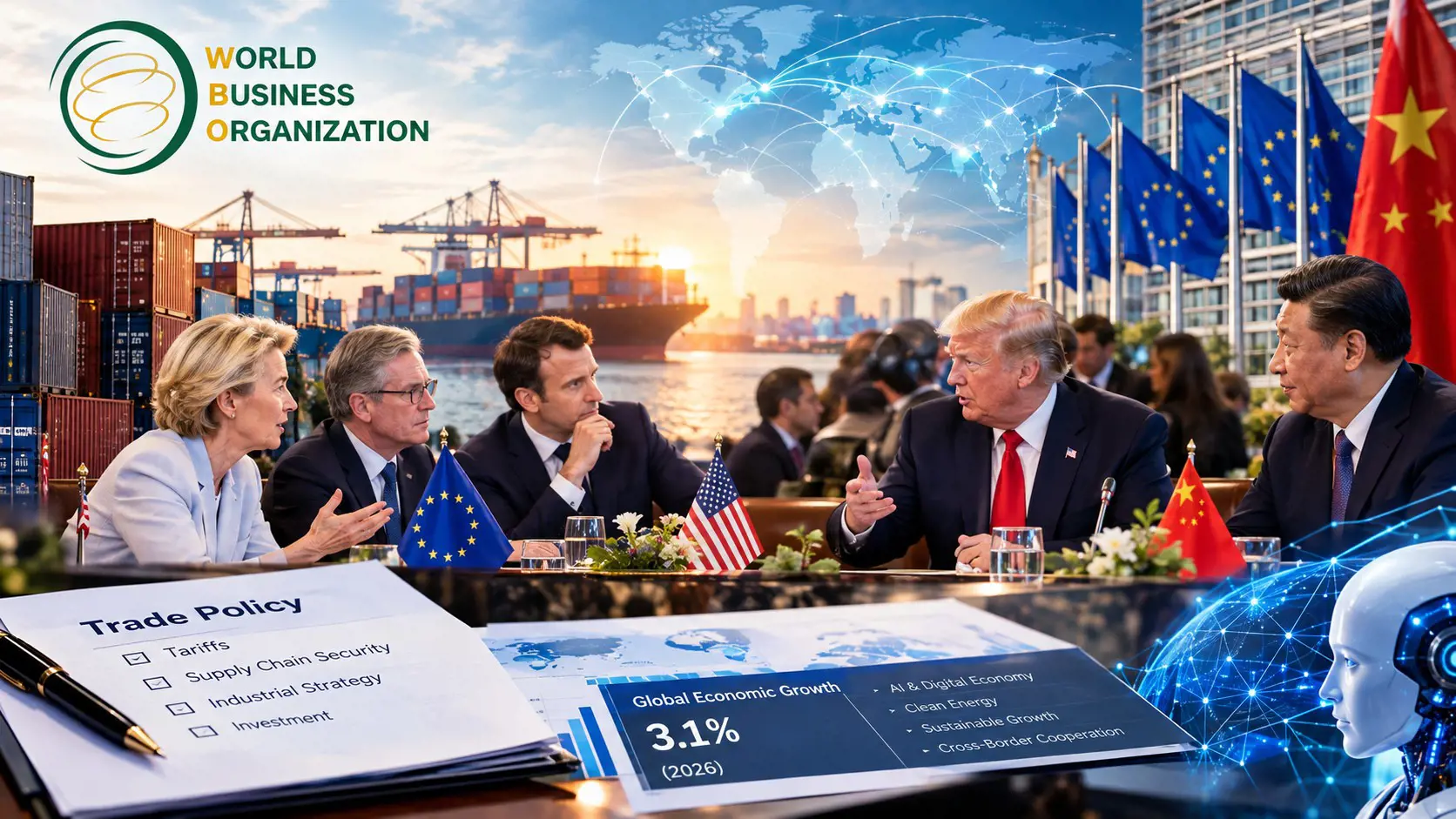
Global Trade at a Turning Point
Global trade is undergoing a major transformation as governments reshape tariff policies, US-China trade relations evolve, and artificial intelligence drives economic growth. The World Business Organization (WBO) can play a vital role in strengthening international cooperation, supporting businesses, and promoting resilient and sustainable global trade.
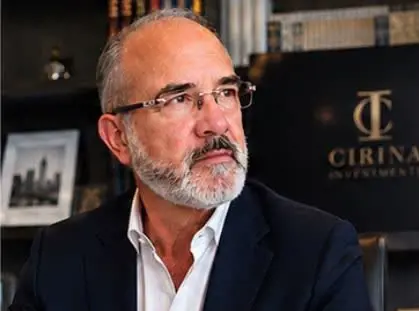
The Architecture of Trust: Decoding the Cirina Framework in the Mediterranean
Beyond borders: In the complex world of economic diplomacy, the Mediterranean represents a shared ecosystem for development, bridging the markets of Europe, Africa, and the Middle East through operational strategy and sustainable partnerships.